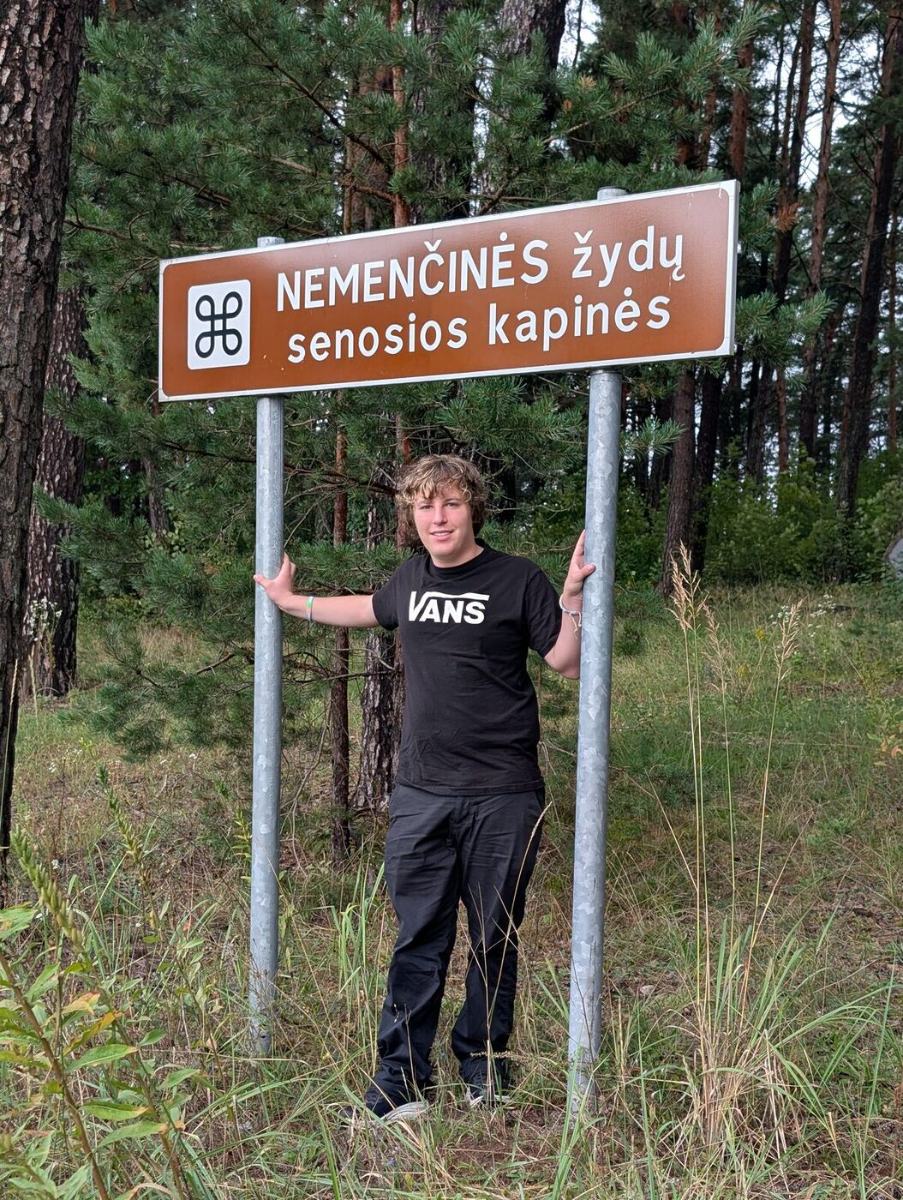
← In the field

Cemetery preservation in Poland and Lithuania

In August 2026 I spent a month working in three Jewish cemeteries — one of the largest surviving in Europe, one that the Soviets ordered destroyed, and one that a forest had quietly swallowed.

The work is slow and mostly physical. You clear the overgrowth, you brush the moss off with solution and a soft brush, and after an hour a name comes back that nobody has been able to read in eighty years.
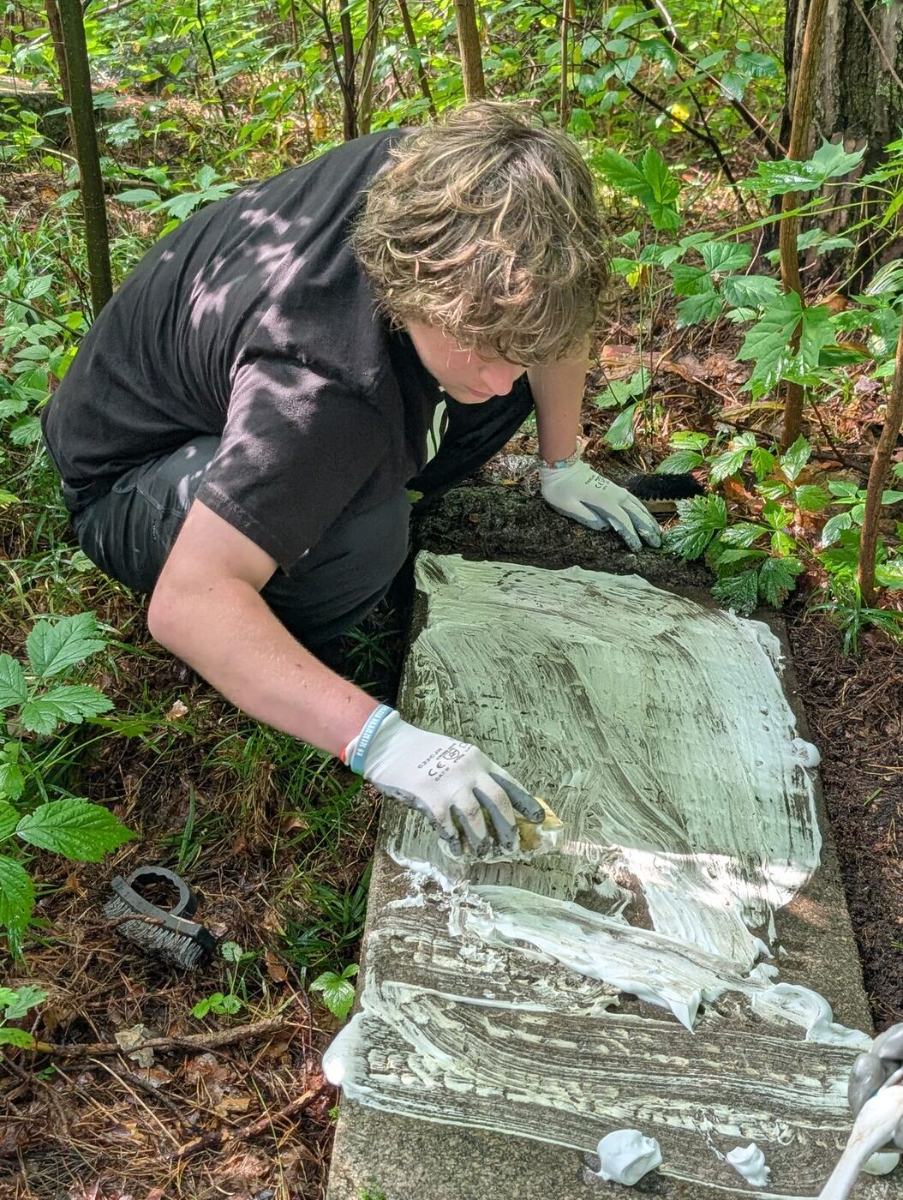
Jules kneeling in the forest, brushing cleaning solution across a fallen matzevah
Nemenčinė Old Jewish Cemetery, Lithuania. August 2026.
Warsaw, Poland

Warsaw Jewish Cemetery

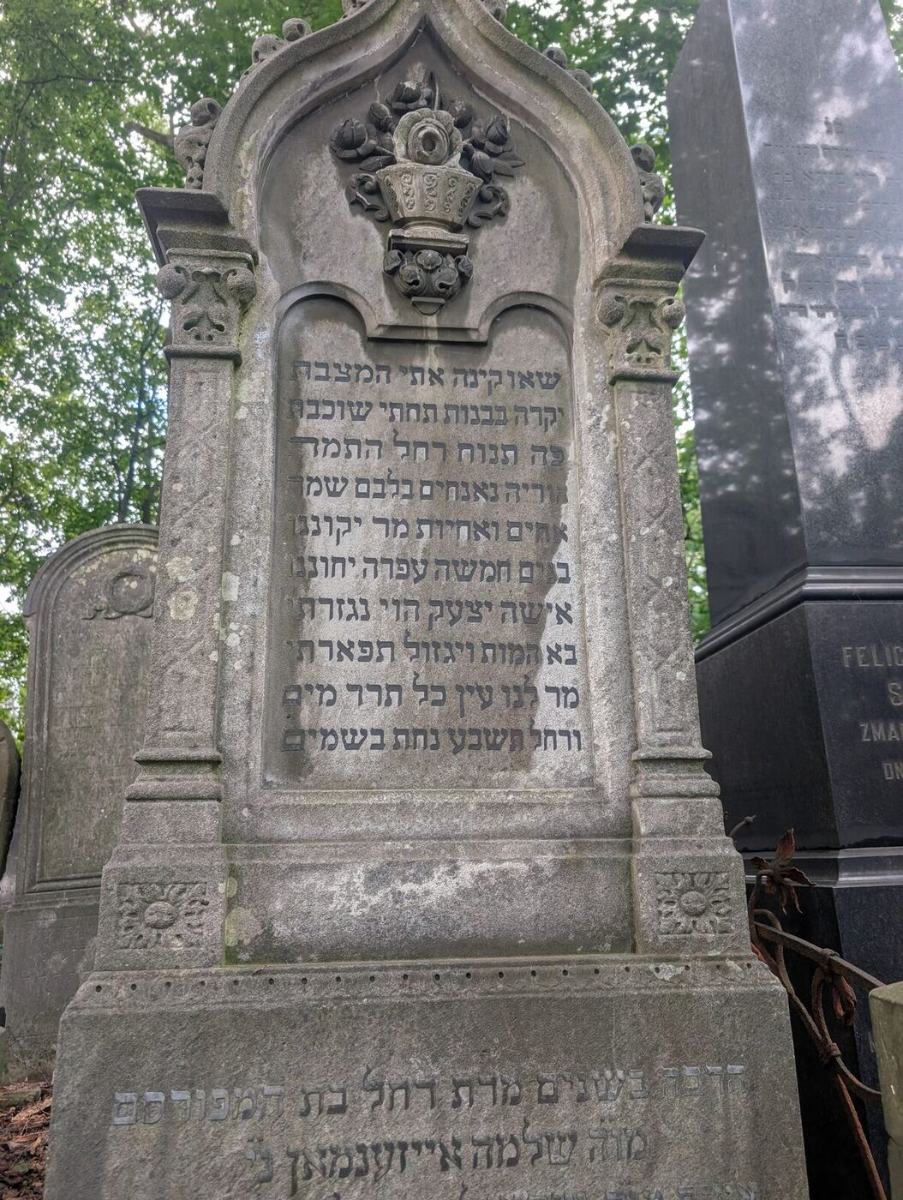
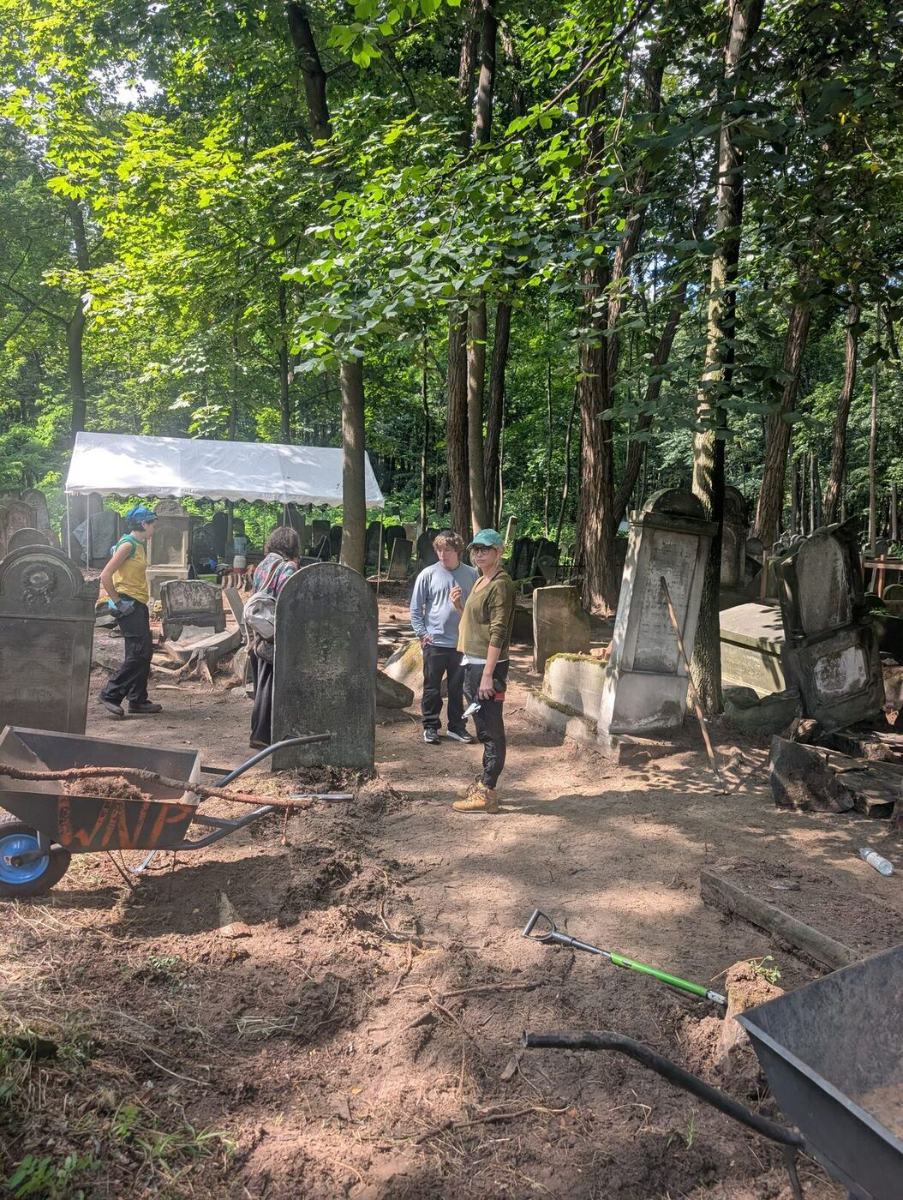
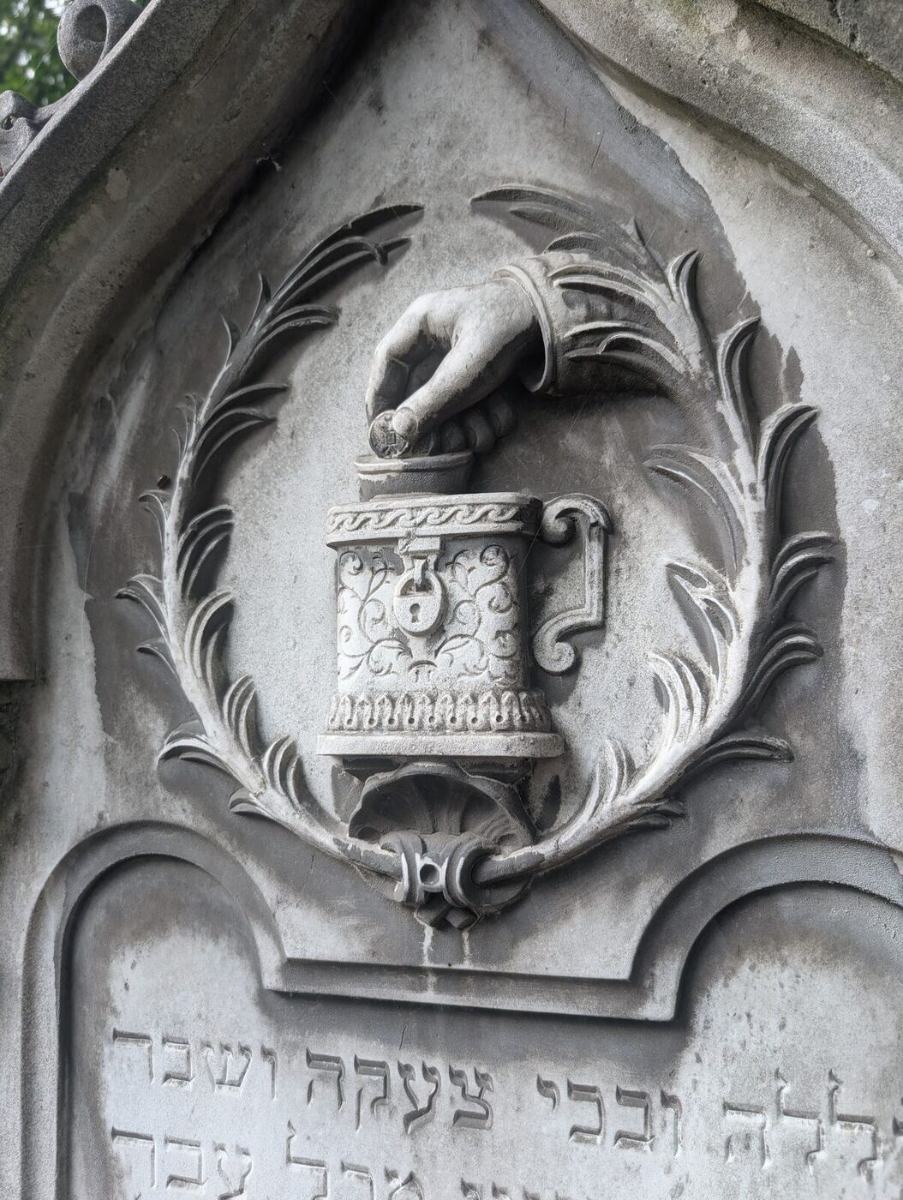
One of the largest surviving Jewish cemeteries in Europe. I restored headstones here — cleaning and photographing centuries-old graves inscribed in Hebrew, Polish, and Yiddish, as part of preservation work that has been going on for years and will go on for many more.

Photographing matters as much as cleaning. A stone that has been photographed and read can be entered into a record; a stone that hasn't is one freeze-thaw cycle away from being nobody.

These records feed Everlasting Witness →
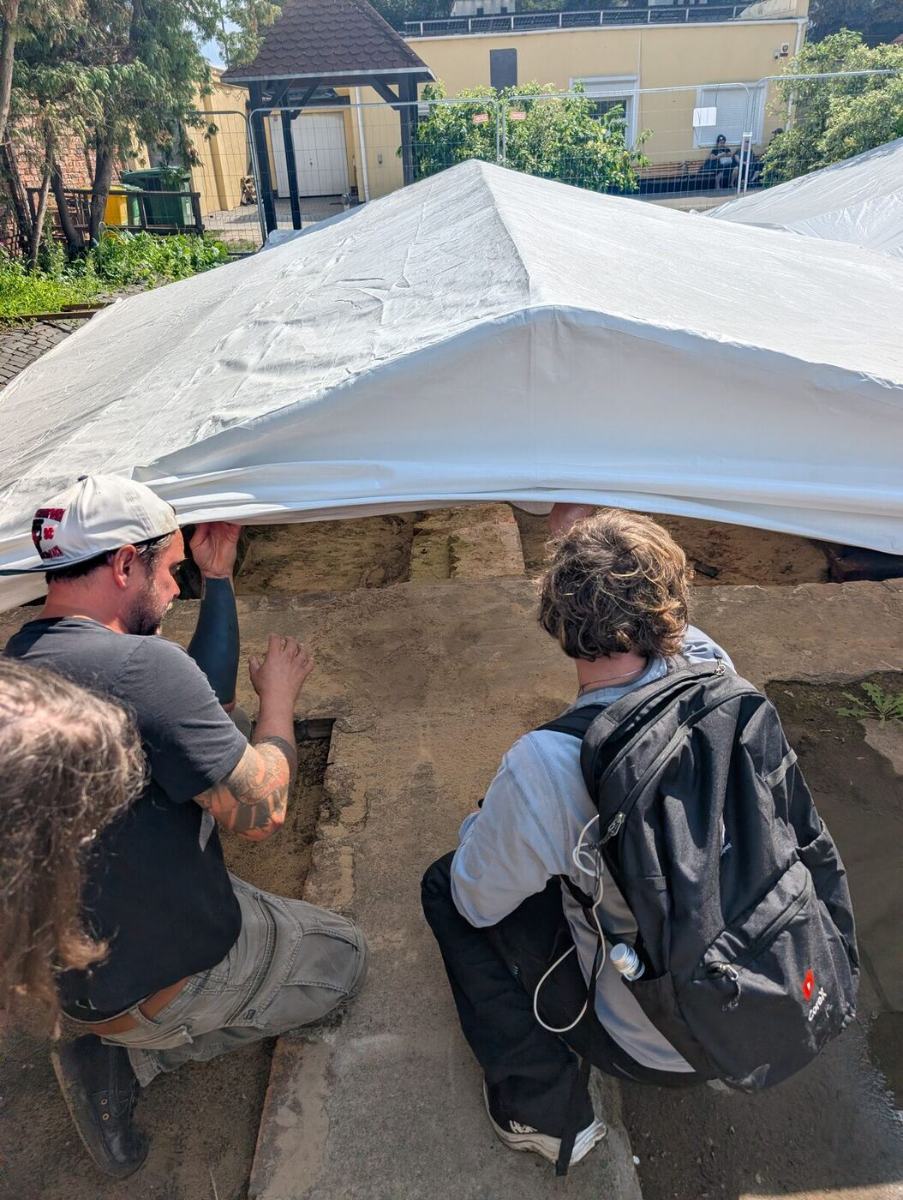
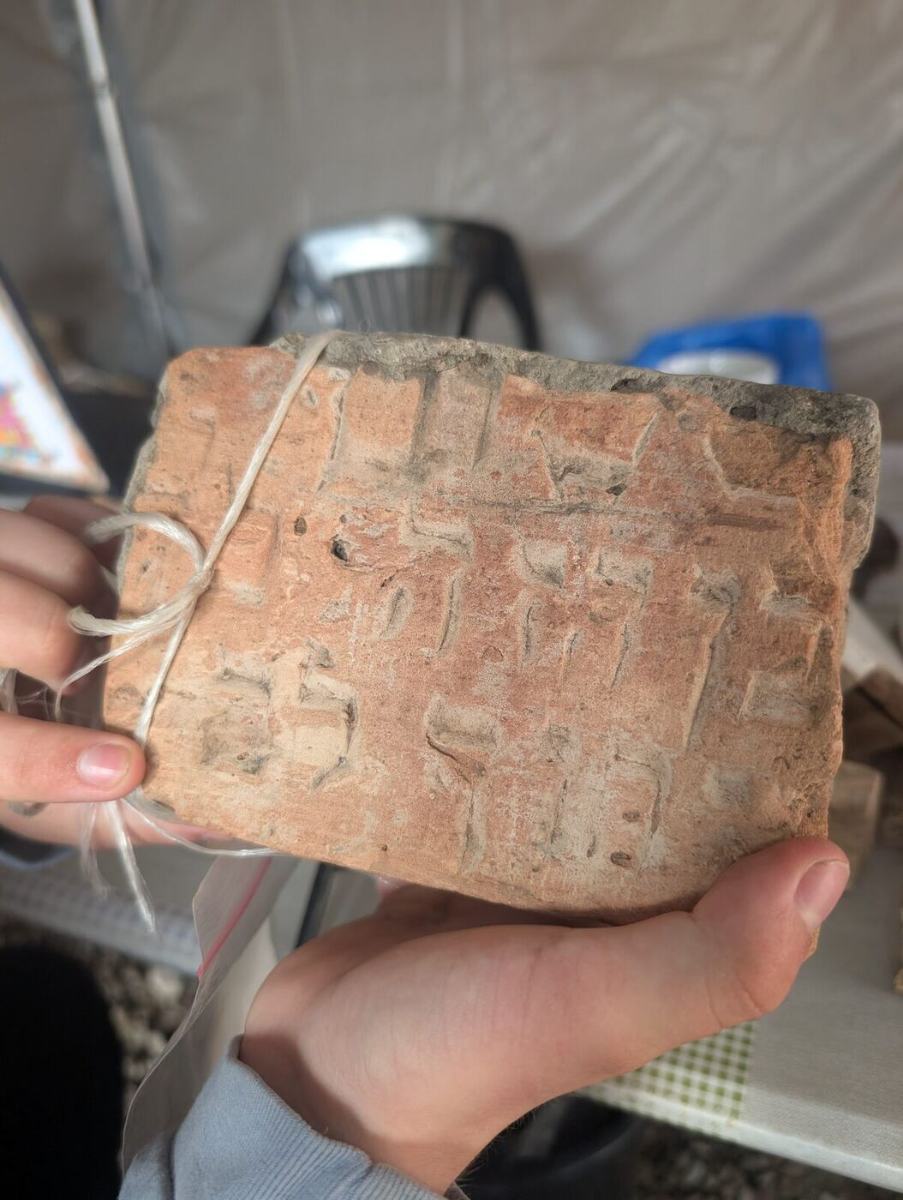
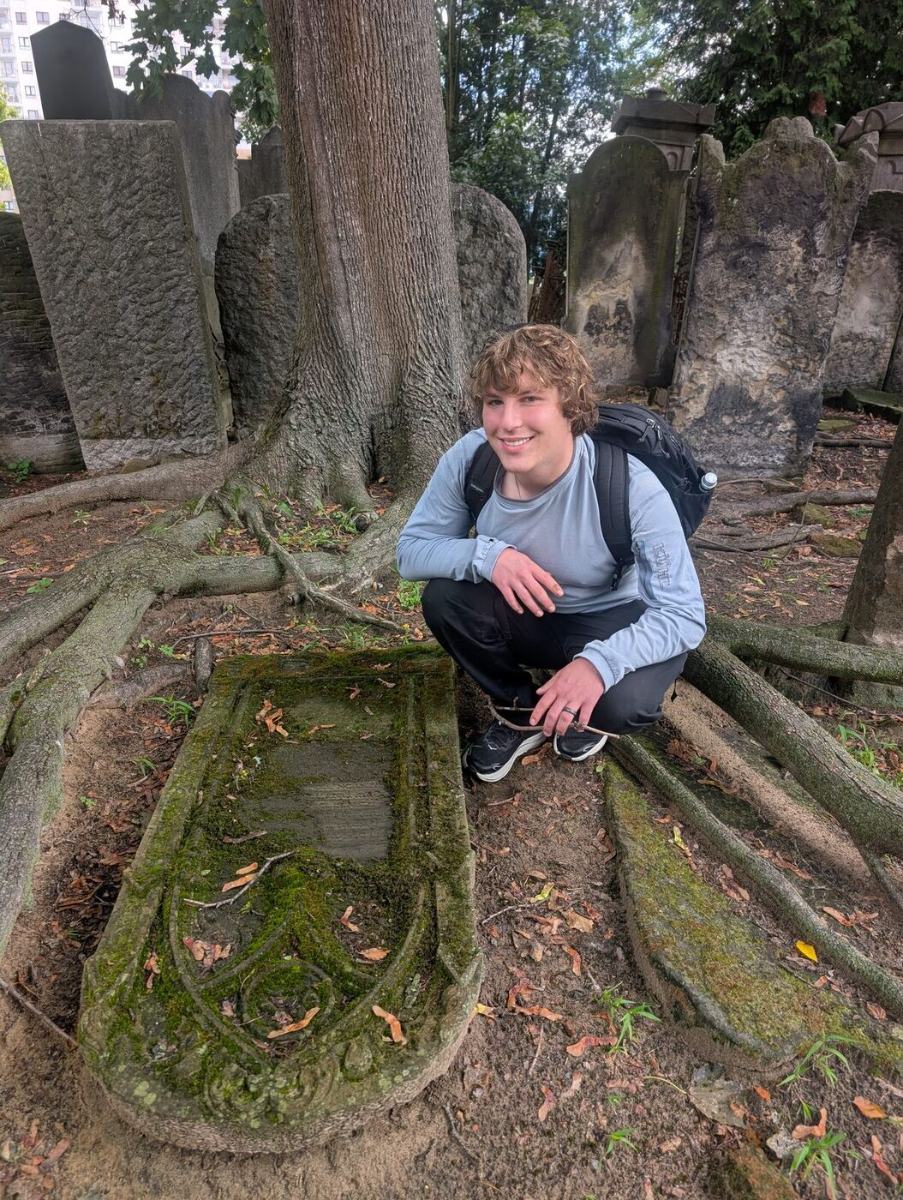
Jules crouched beside a fallen matzevah among tree roots An ornate standing matzevah with a carved flower basket and full Hebrew inscription Volunteers working among headstones, wheelbarrows and a work tent behind Two people lifting a tarp over an excavated area in the cemetery A broken matzevah fragment with carved Hebrew letters held in two hands Carved hand and charity box relief
Vilnius, Lithuania

Old Vilna Jewish Cemetery

Here I documented what is left. Many of the headstones were destroyed on Soviet orders — the Hebrew chiselled off the face on purpose — and the stones were then carted away and piled in a yard.

You can see the erasure happening in the object itself. Somebody stood there with a chisel and took a name off a rock. Recording the fragments that survive is the only answer available now.

Photographs from Vilnius
go here
Nemenčinė, Lithuania

Nemenčinė Old Jewish Cemetery

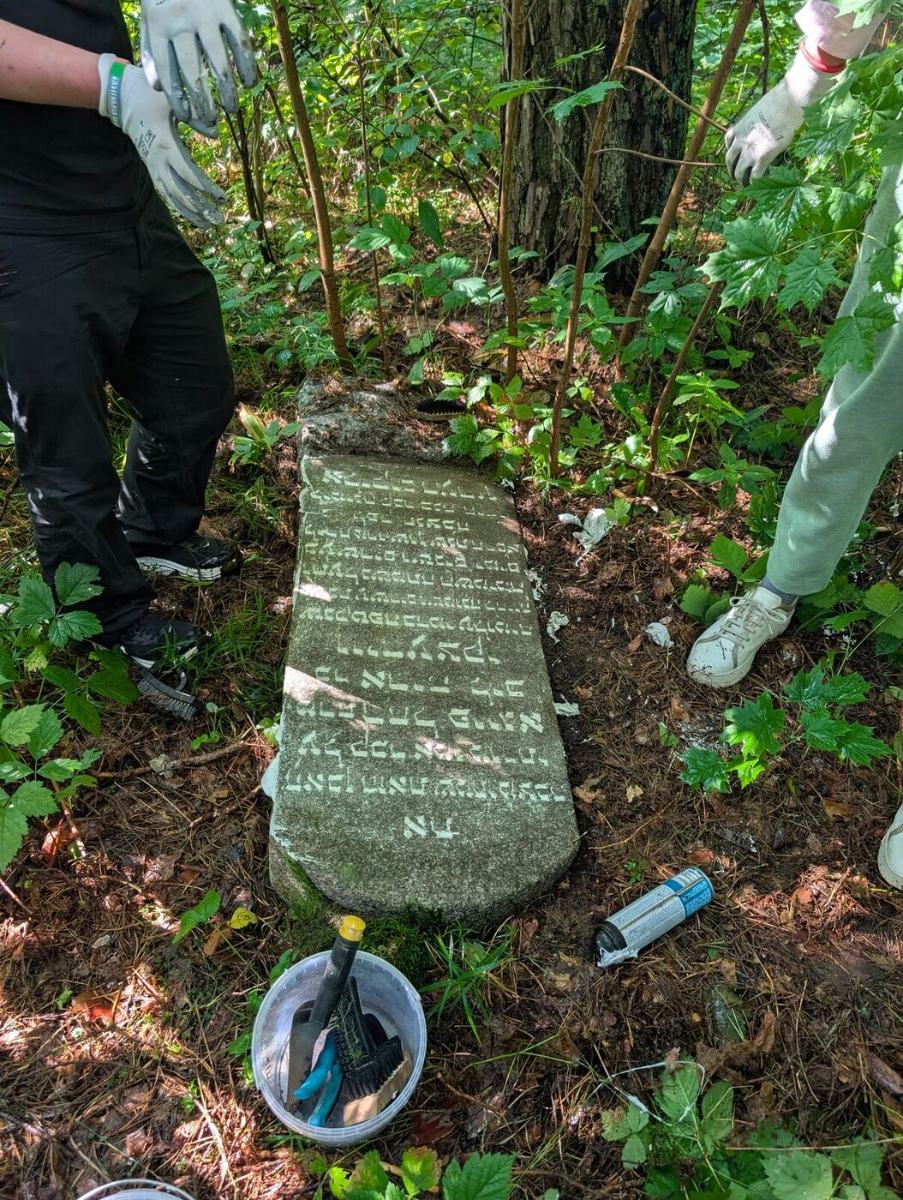
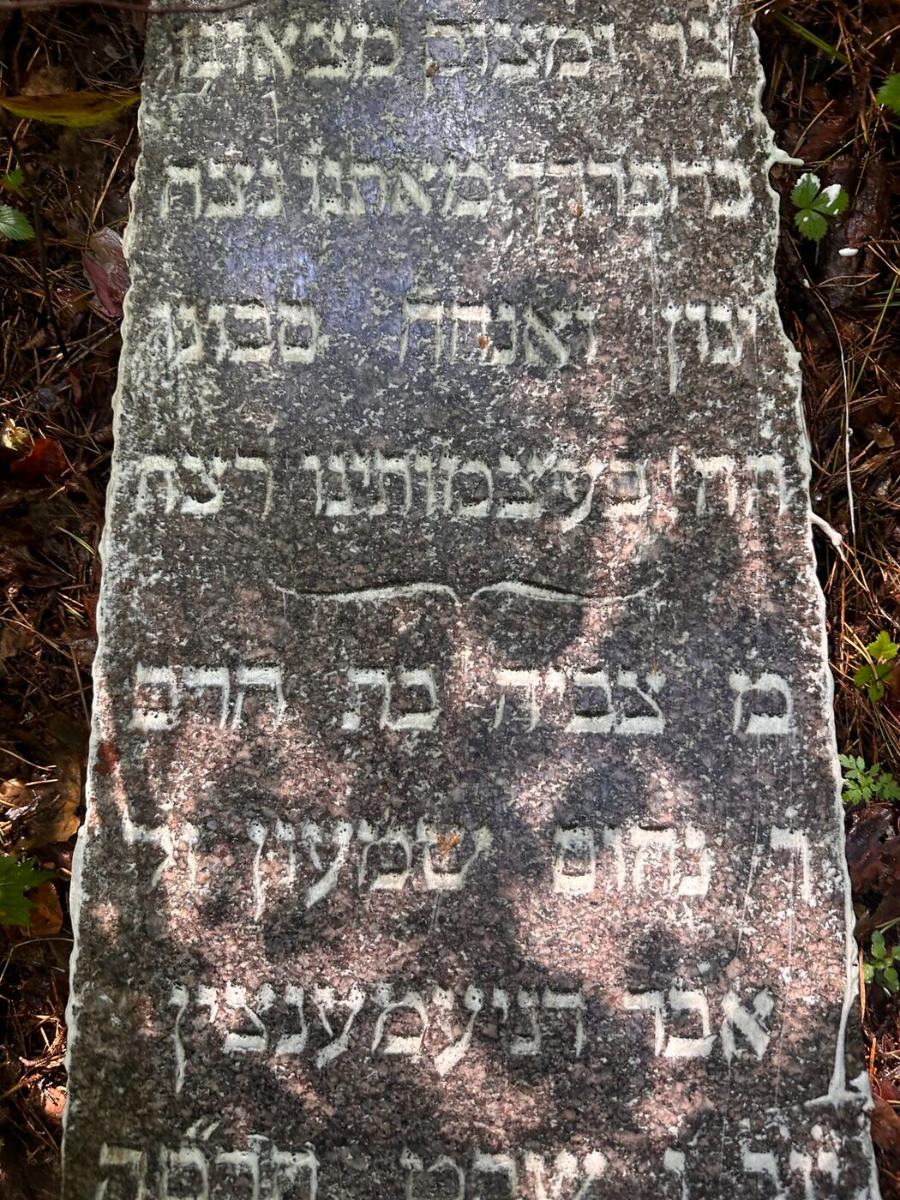
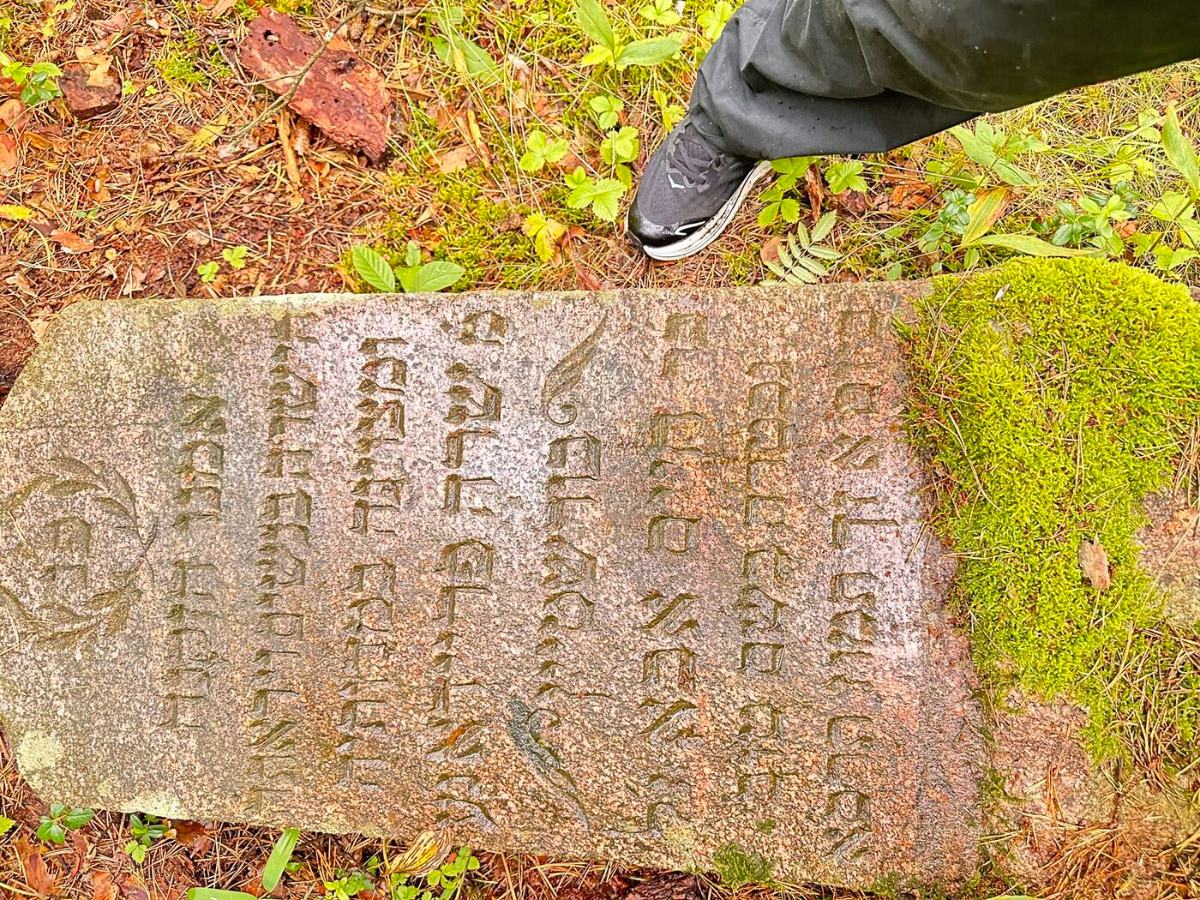
A forgotten cemetery outside Vilnius, most of it under decades of moss and forest growth. We cleared the overgrowth and hand-cleaned centuries-old matzevot with cleaning solution and soft brushes until the inscriptions came back.

A stone can sit unreadable for eighty years and come back in an afternoon. That is most of what the work is: solution, a soft brush, and enough patience to wait for the letters.

A cleaned slab in the forest with its Hebrew inscription legible again, brushes in a bucket beside it Close view of Hebrew letters cut into a weathered stone A fallen matzevah at ground level, moss growing over one edge Jules beneath the sign reading Nemenčinės žydų senosios kapinės

Why I keep going back

A cleaned stone is a readable stone, and a readable stone becomes a record someone's grandchild can find from another continent. That is the whole loop, and it runs straight into Everlasting Witness — the 257,000 graves I've added to FindAGrave.

Everlasting Witness →
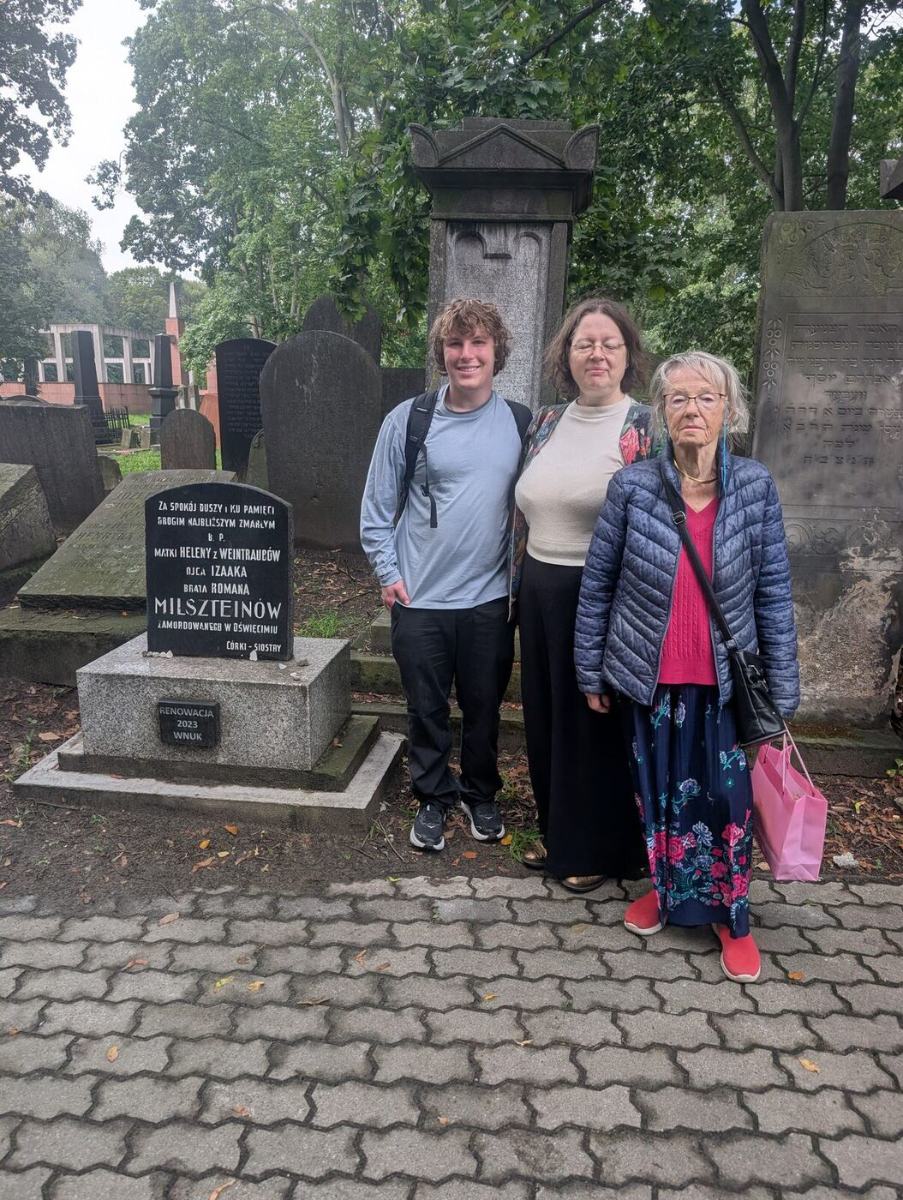
Jules with two women beside a restored family headstone
Warsaw Jewish Cemetery, August 2026.

If you work on cemetery documentation, I'd like to hear from you.