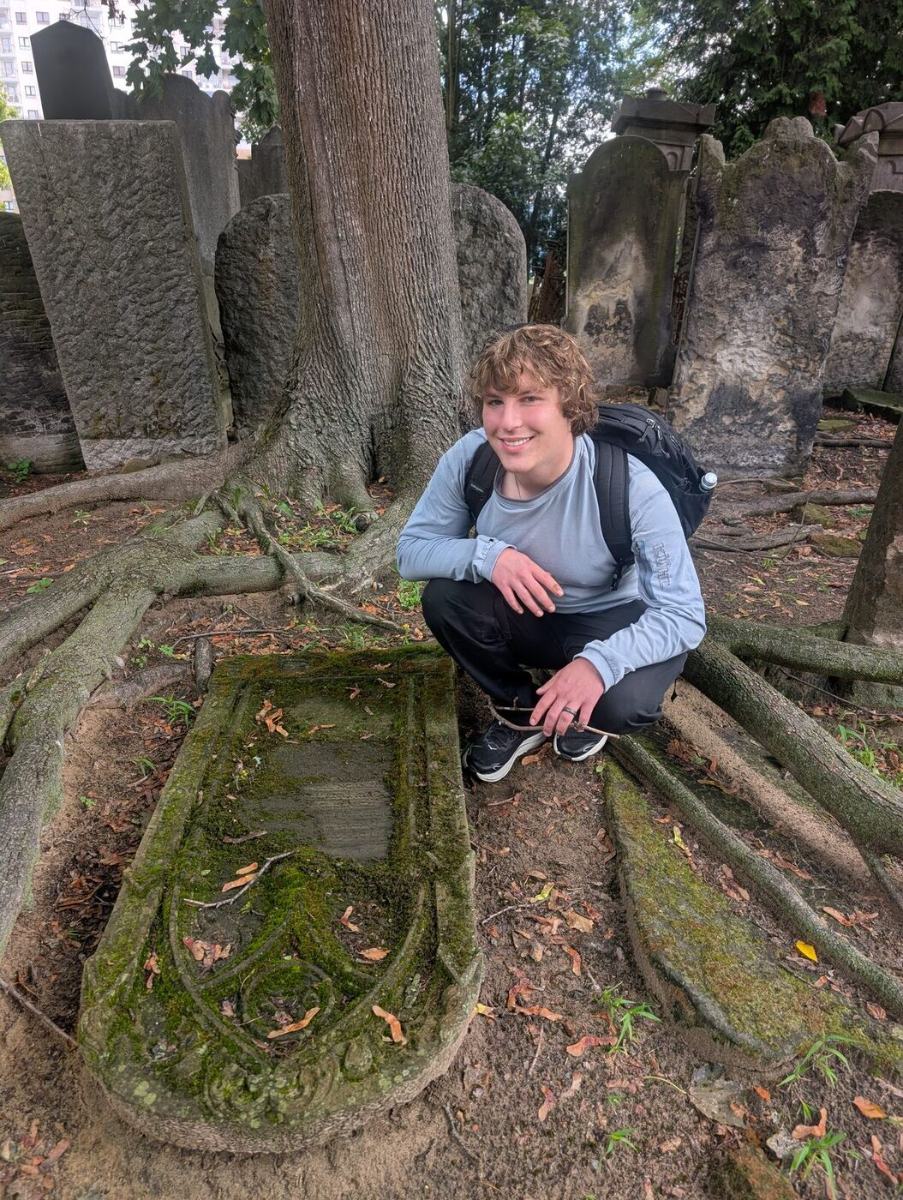
Jules crouched beside a fallen matzevah at the Warsaw Jewish Cemetery
Warsaw Jewish Cemetery, Poland. August 2026.

Hi, I'm Jules.

I'm a senior at Hillbrook School in Los Gatos, California. I work in archaeology and history, both in the field and in the archives.

I have excavated a fourth-century Roman fortress in Spain and plantation sites in Virginia, restored headstones in Jewish cemeteries in Poland and Lithuania, and added more than 250,000 graves from Eastern European cemeteries to the public record.
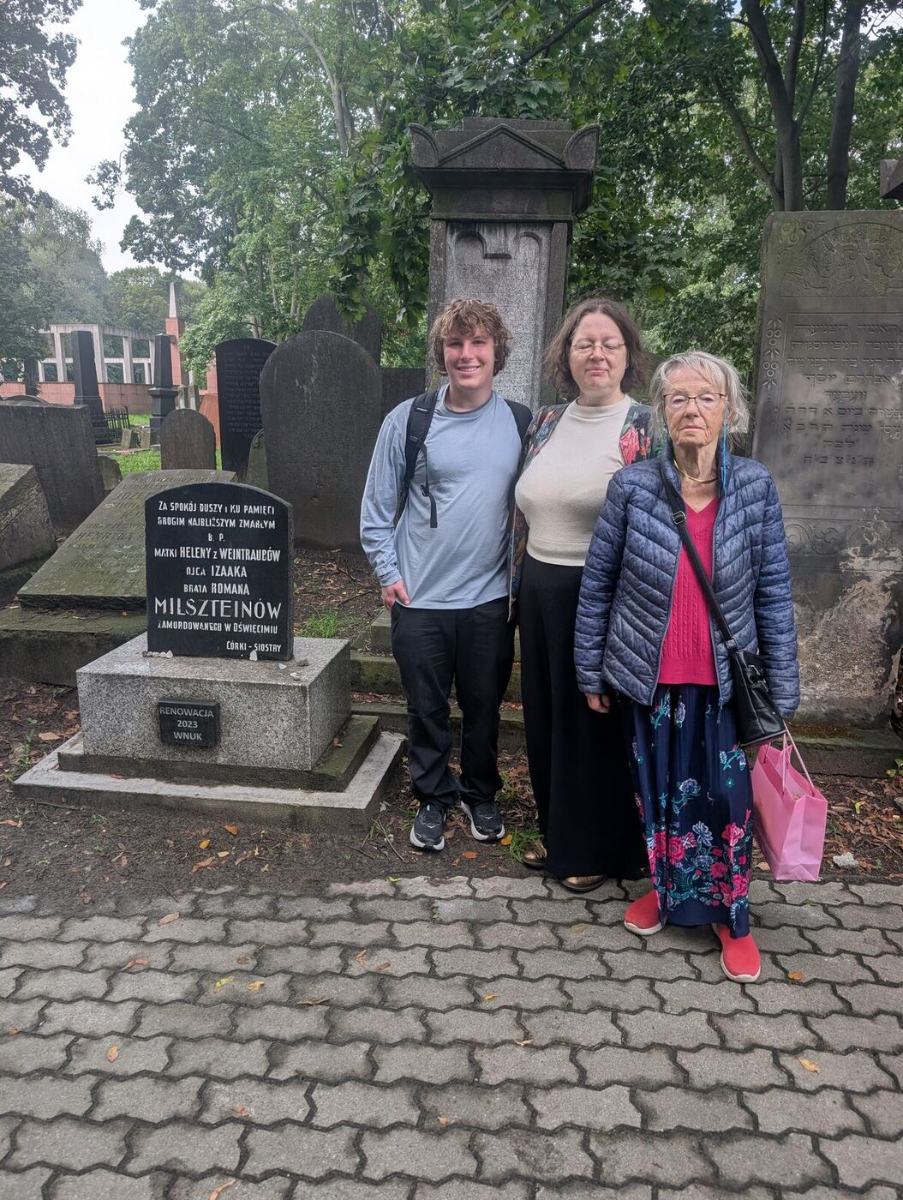
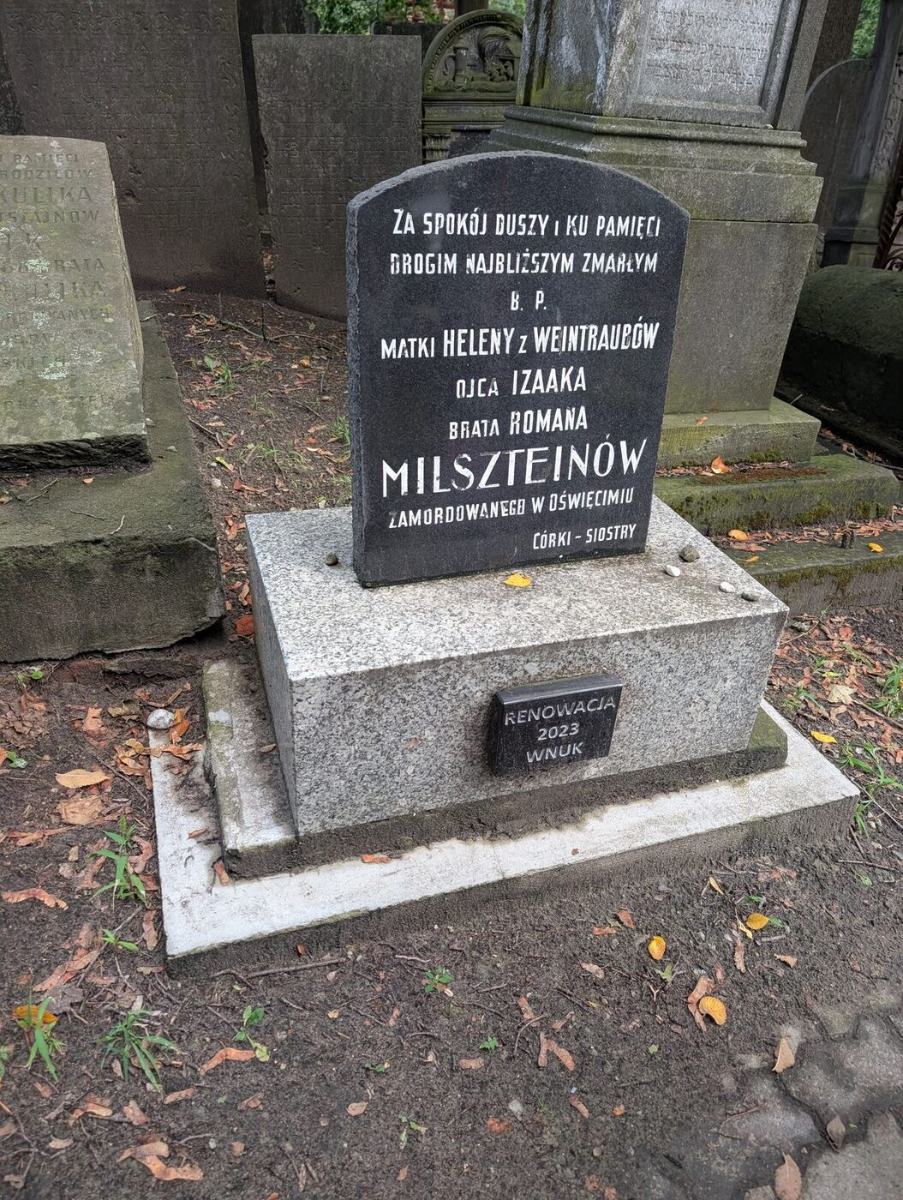
Everlasting Witness

I've added more than 250,000 graves to FindAGrave. I find archival grave records, write software to transcribe the spreadsheets from non-Latin alphabets to the Latin alphabet, post the headstone images and descriptions, and build out family trees for descendants.

People write to me. That's the part I didn't expect and can't get over.

Thank-you letters from families →Video thank-you from librarian Ivonna →
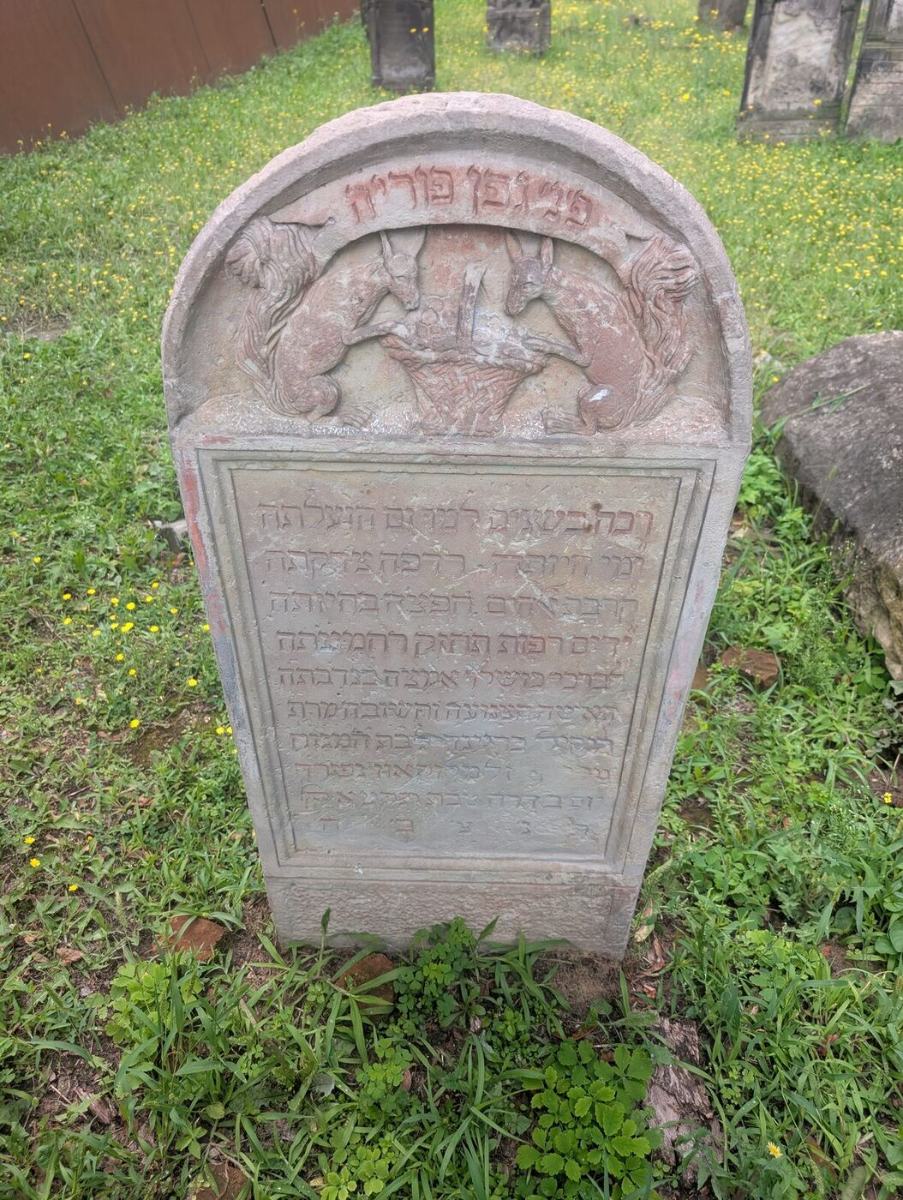
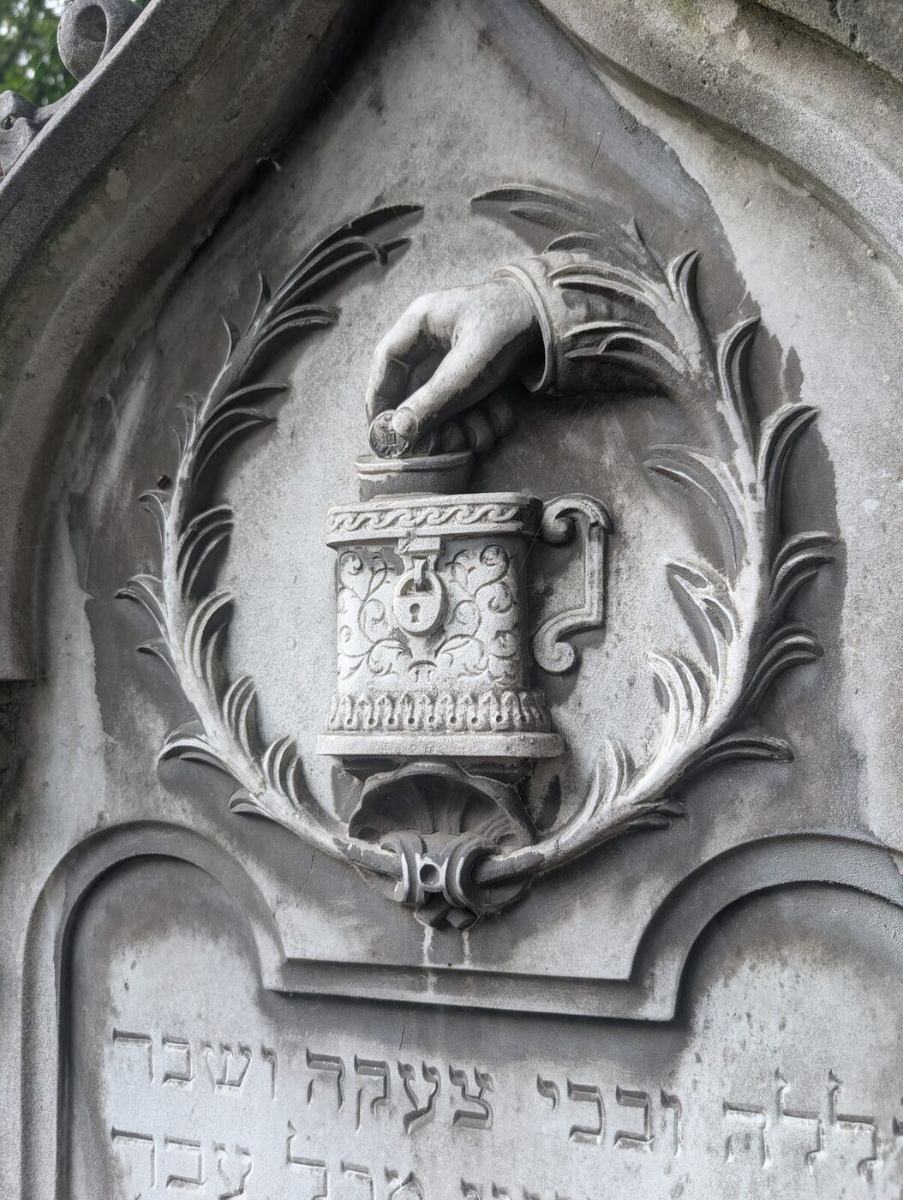
Jules with two women beside a restored family headstone Restored Milsztein family headstone, Warsaw Matzevah with red-painted lettering and carved deer, Warsaw Carved hand and charity box relief, Warsaw
Papers, projects, and databases

Research

Everlasting Witness Added more than 250,000 graves to FindAGrave. I find archival grave records, write software to transcribe the spreadsheets from non-Latin alphabets to the Latin alphabet, post the headstone images and descriptions, and build out family trees for descendants.
Digital humanities
2024–present
Legacy mercury, reservoir dynamics, and dredging effects on methylmercury in San Francisco Bay Published in the Journal of Emerging Investigators, co-authored with my teacher Mike Judge. I worked through 1999–2022 data to see how dredging, legacy mining, reservoir releases, and river flow move methylmercury around the bay.
Published article
2026
The Pueblo Revolt of 1680 Studied the Pueblo Revolt, one of the largest acts of Indigenous resistance in North American colonial history, in a one-on-one mentorship with Dr. Danai Thomaidis, an art historian at Princeton.
National History Day Champion, Santa Clara County. National History Day Finalist, California State.
History Day website
2026
The Cairo Genizah and the ethics of repatriation Argued that the sacred Geniza texts should be repatriated, while the secular documents should be digitally reunited in one place anyone can reach. Completed at the Stanford Humanities Institute.
Research paper
2026
Lives of wards of the state Excavated my own school's campus, on the site of a California state ward school from the early 1900s, mentored by Stanford archaeologist Garret Trask and Foothill professor Sam Connell. What we found suggested many of the children there were sick most of the time. Presented at Foothill's RSLS symposium.
Symposium talk
2026
Gloucester Legacy Archive Designed archival database during the Fairfield Foundation excavations, containing the names of more than 50 formerly enslaved people from Gloucester County plantations, from primary records.
Database
2025
Ward map georeferencing Georeferenced 800 historical ward maps of U.S. cities, aligning archival cartographic records to modern coordinates so they can be used for spatial analysis of urban and demographic change over time.
GIS
2025
Resilience Through the Lens of the Holocaust Created documentary about resilience and memory. First place in the Elie Wiesel National Holocaust Commission Contest, and first place in the National Weinberger Competition.
Documentary film
2025–26
In the field

Where I've worked

Roman, Ancestral Puebloan, colonial, antebellum, Mesolithic, and Jewish heritage sites.

Fairfield Foundation plantations →Gloucester County, Virginia

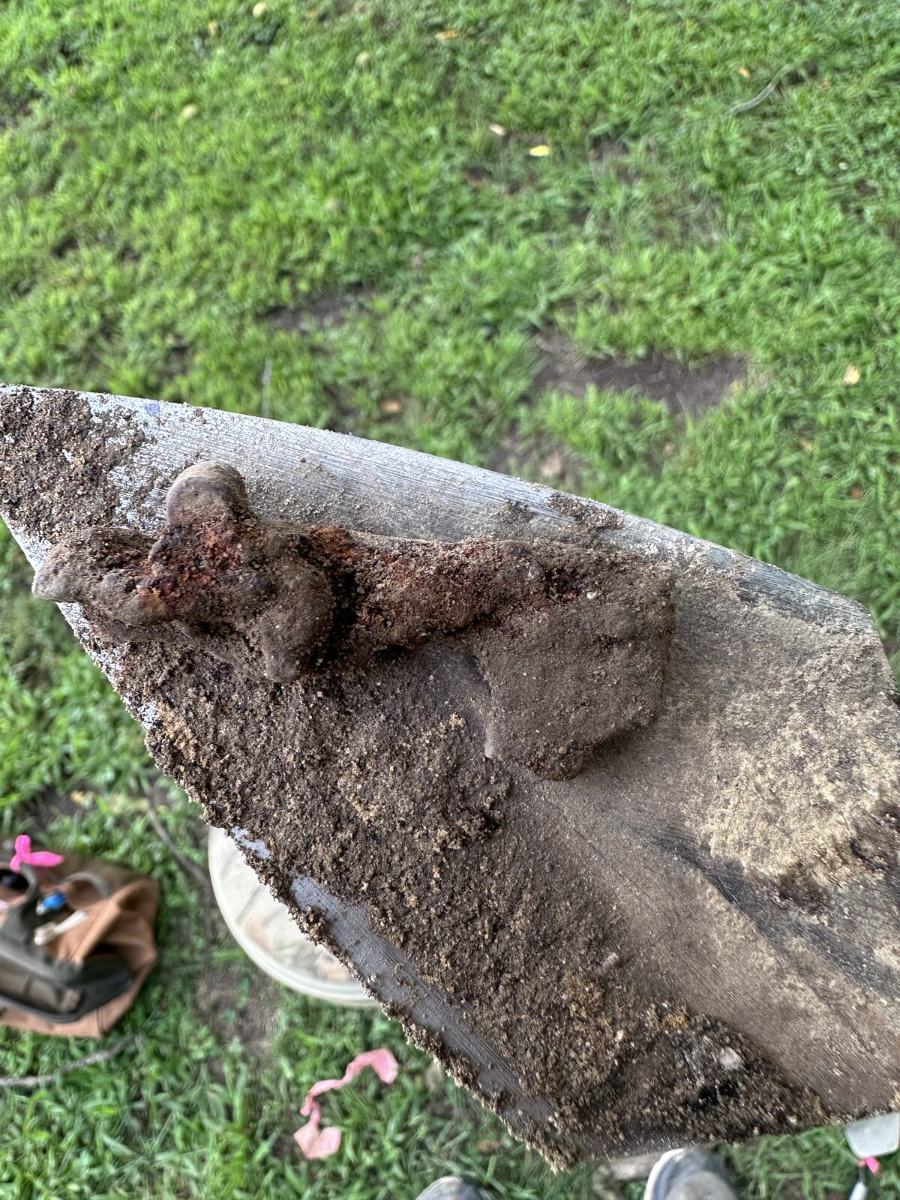
In Gloucester, Virginia, I worked with a team of several archaeologists to excavate the remains of the historic Rosewell Plantation. During the course of the excavation we found remnants of the daily lives of the enslaved people who worked the land there. For many of these people, their names were unknown to us. In an effort to right this, I explored matching persons noted only by their sex and age in historic "Slave Schedules" records with post-bellum death records and census records to attempt to return names.

Excavation unit at Fairfield, Virginia
Brick fragments exposed in an excavation unit at Fairfield
An artifact on a trowel
Gloucester Legacy Archive: 50+ names restored at Fairfield →
Roman fortress of Pulpon →Cuenca, Spain

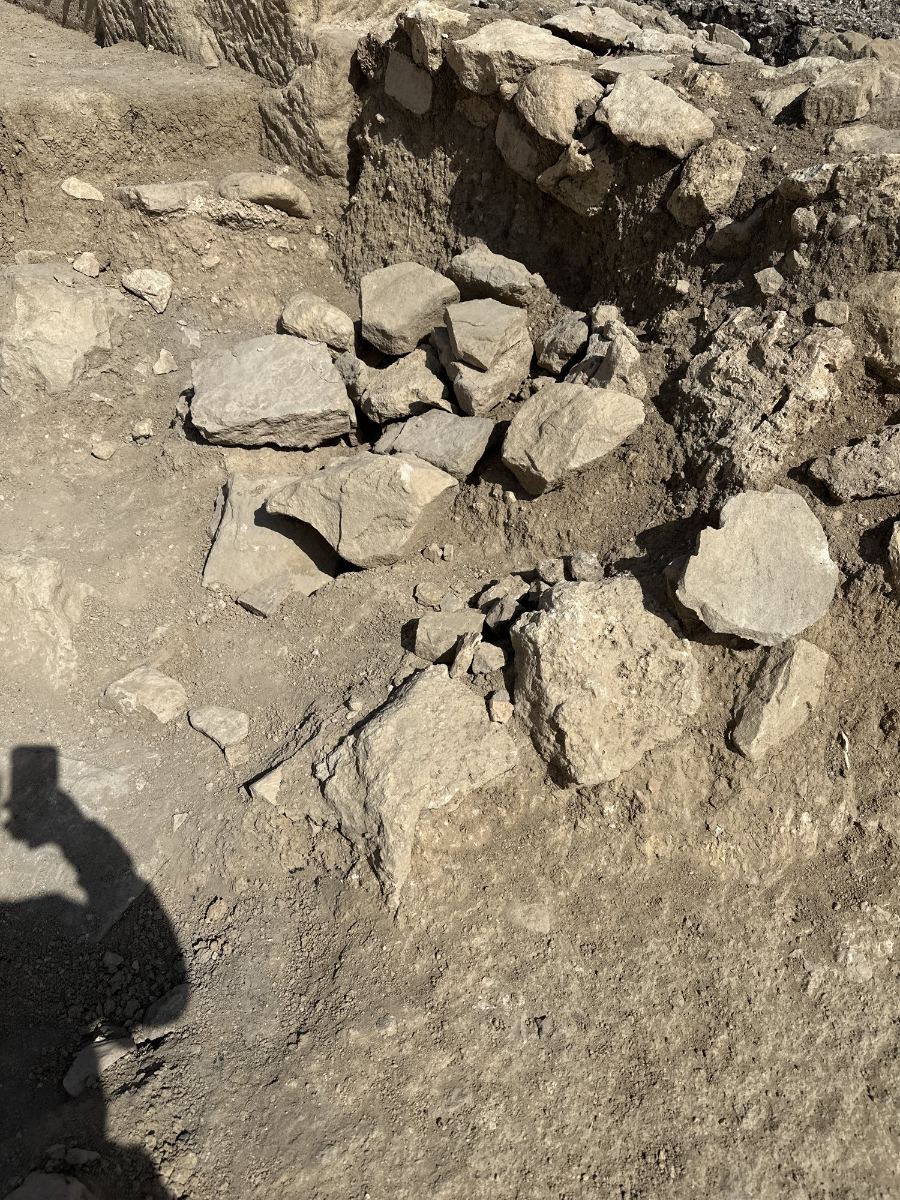
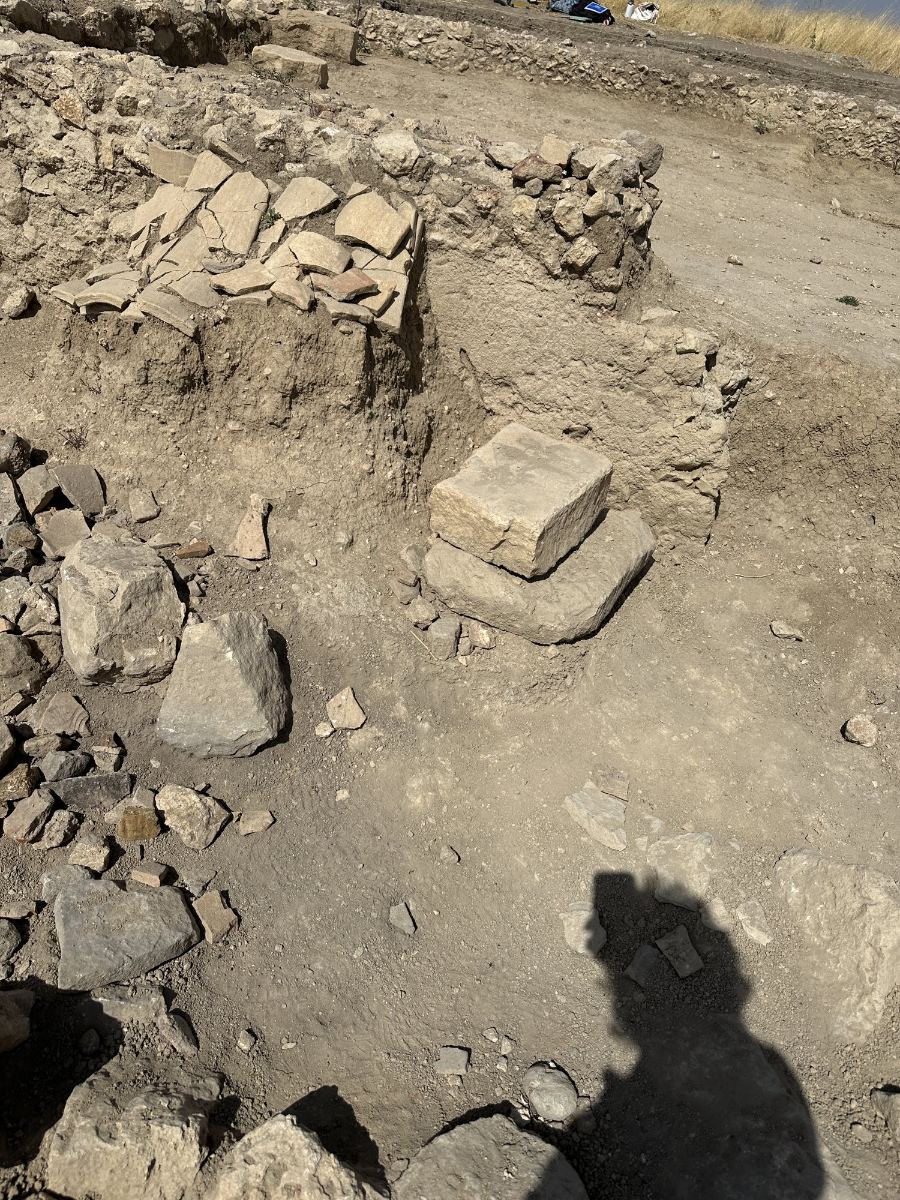
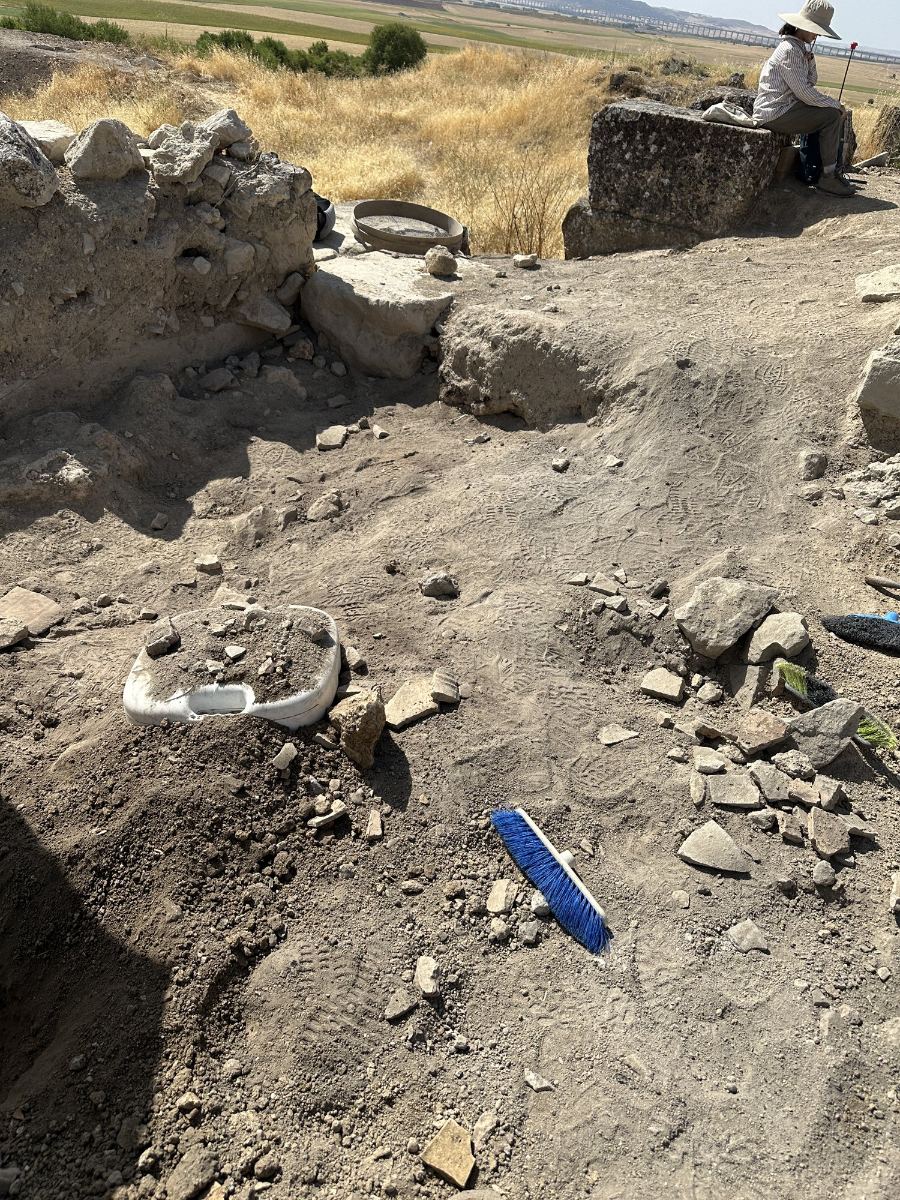
At the Roman fortress of Pulpon, I participated in the excavation of a fourth-century architectural site. Working through fallen masonry and collapsed rubble, we documented stone structures and small finds to better understand the late Roman Empire's presence in the region.

Collapsed stone rubble inside the fortress
Fallen masonry beside a squared stone block
Rubble and small finds in an open trench
Pulpon in 3D: 10 photogrammetry models →
Hillbrook School campus →Los Gatos, California

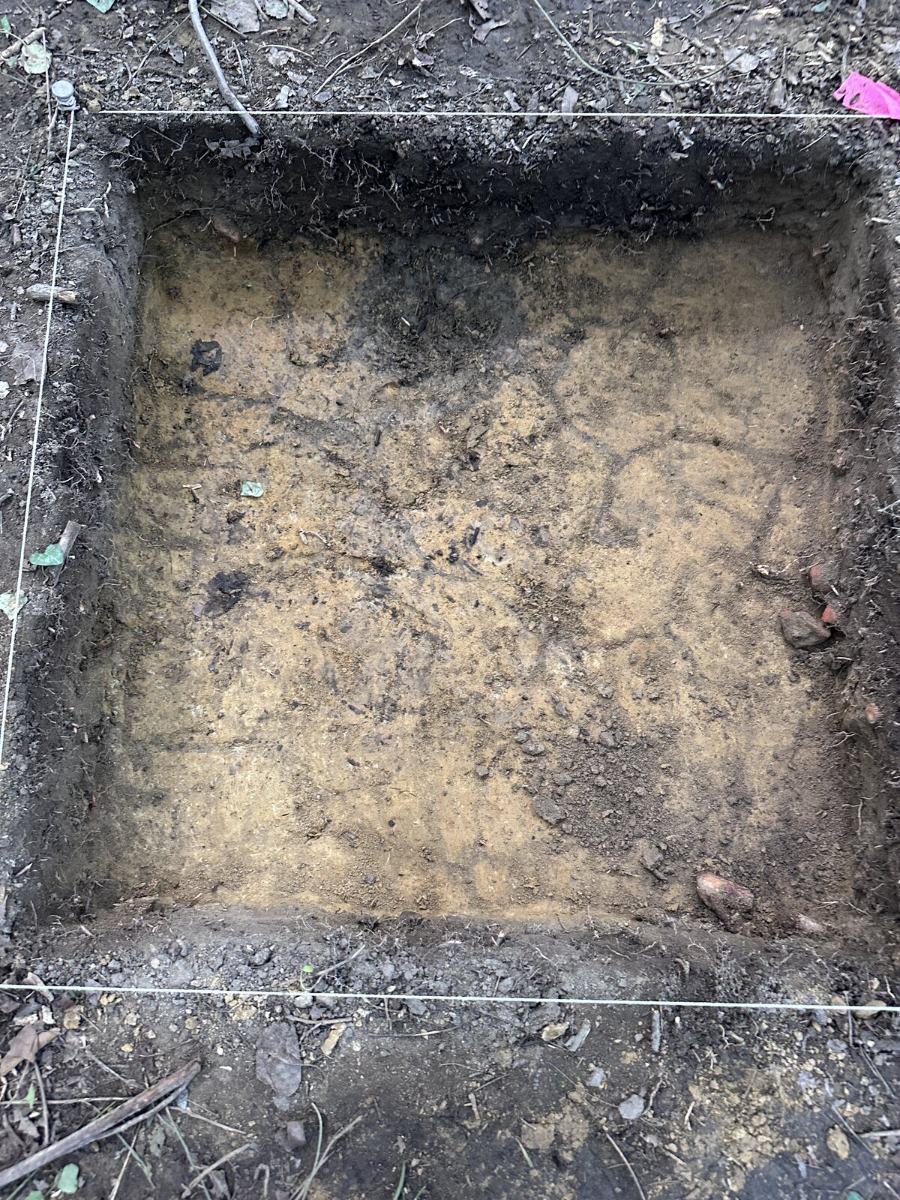
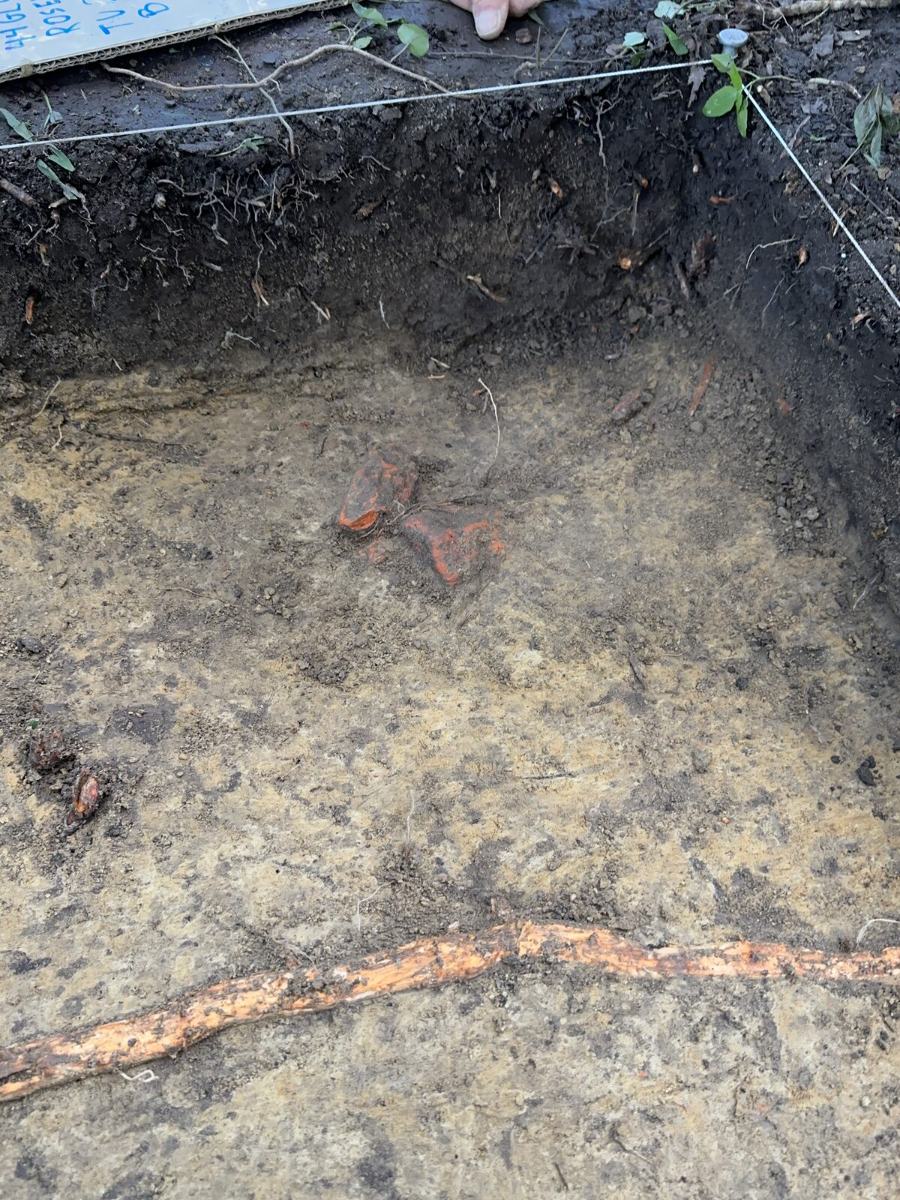
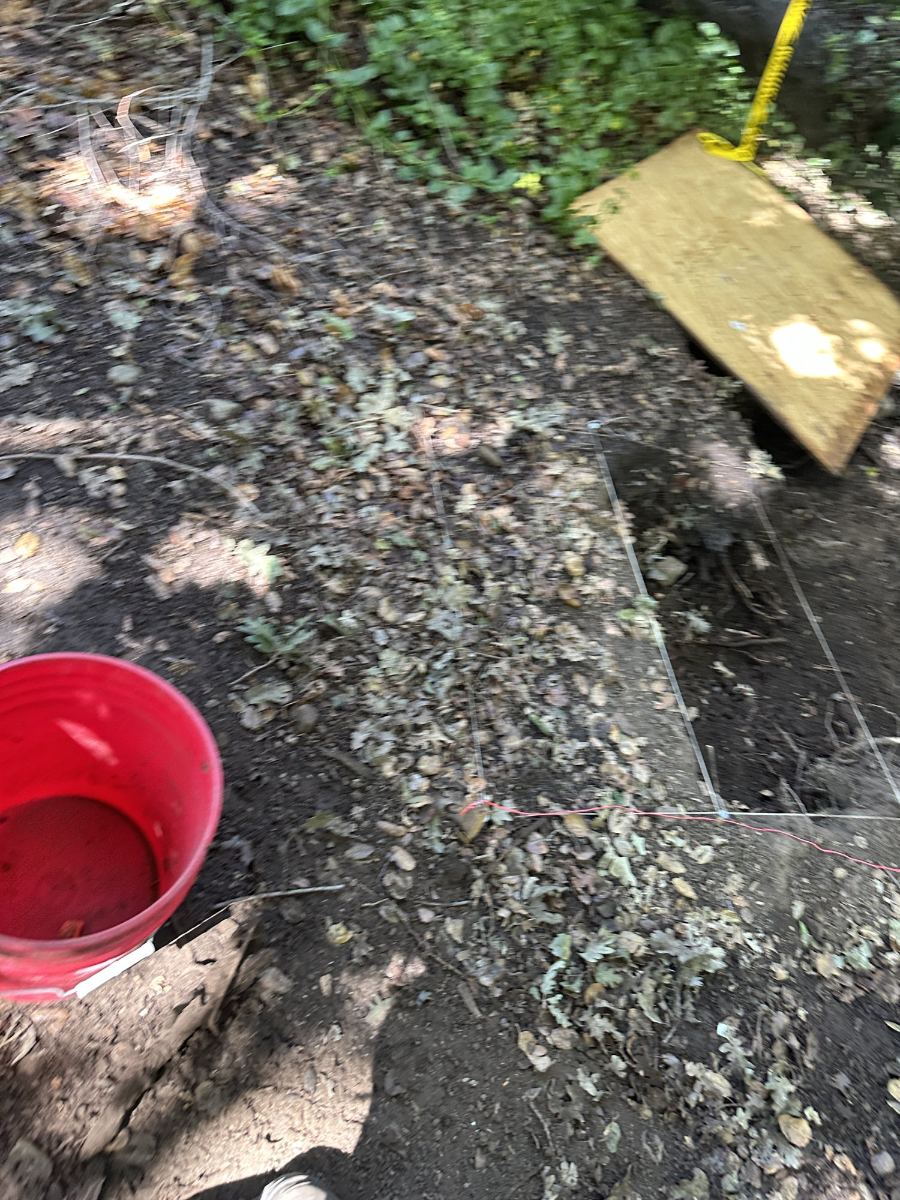
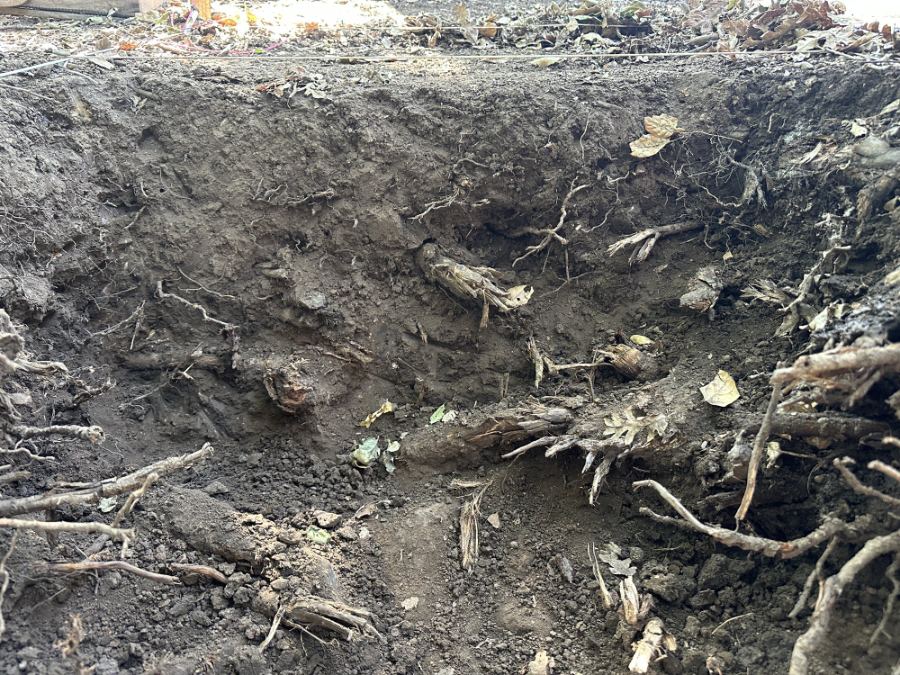
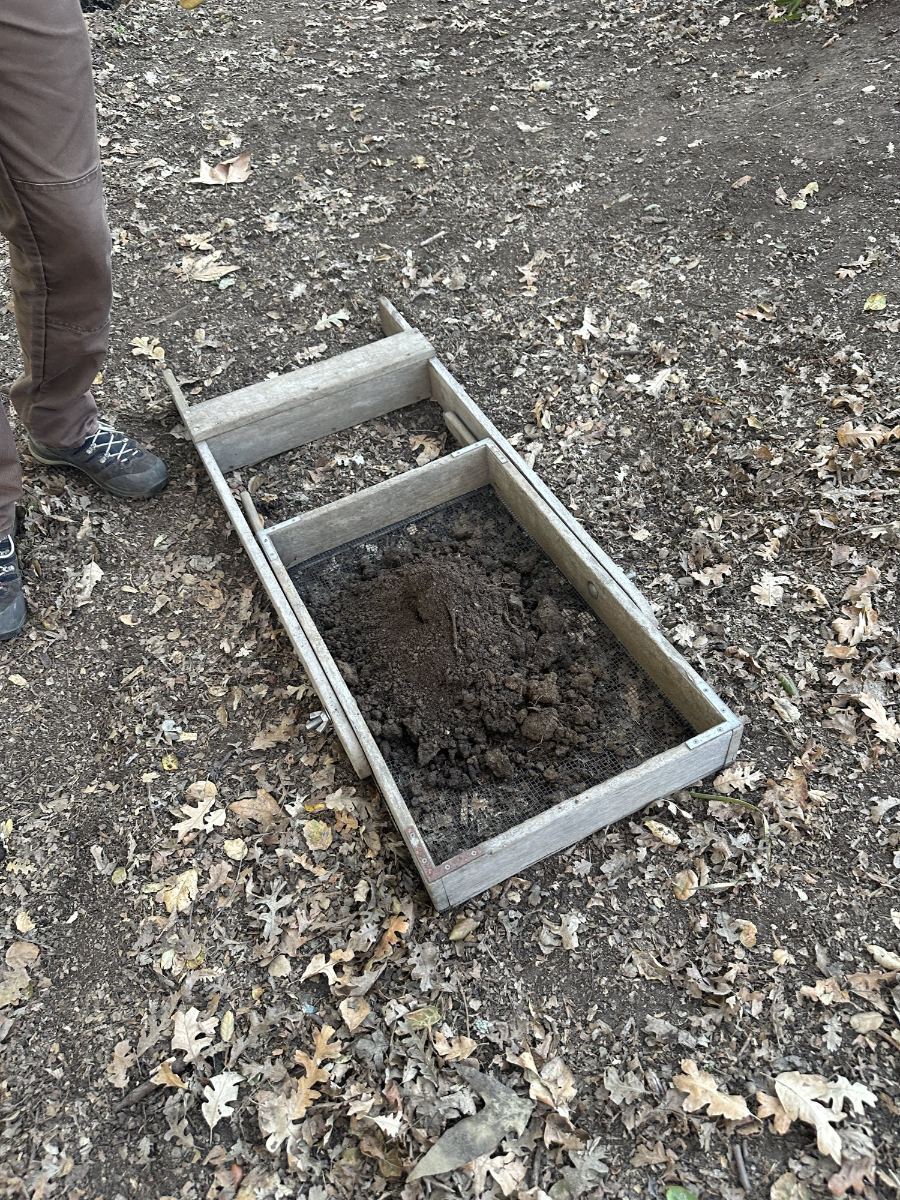
I started a dig on my own school's campus, on the site of a California state ward school from the early 1900s, mentored by Stanford archaeologist Garret Trask and Foothill professor Sam Connell. What we found suggested many of the children there were sick most of the time.

A string-lined unit opened in the leaf litter
A unit cut down through roots and dark soil
Screening frame set over excavated soil
RSLS symposium poster →
Crow Canyon Archaeological Center →Colorado

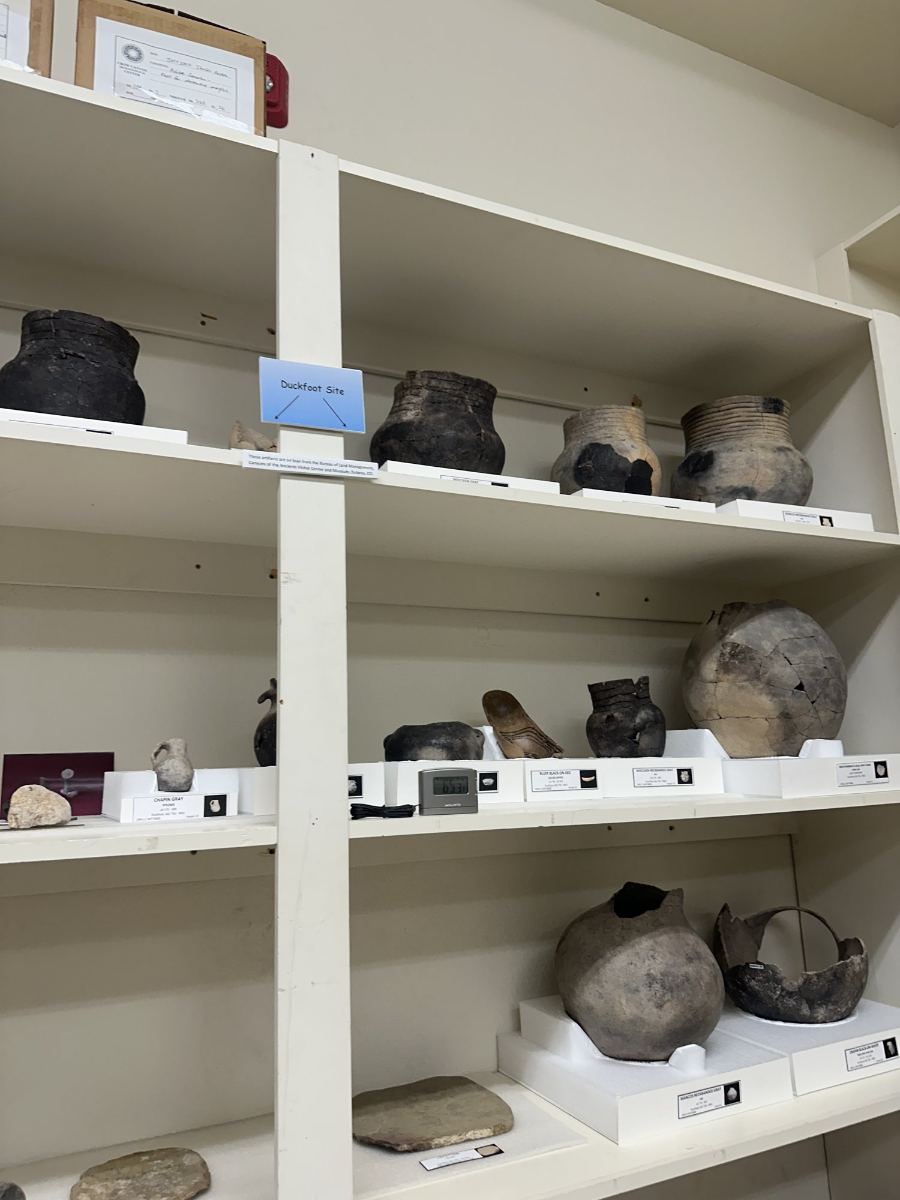
At the Crow Canyon Archaeological Center, I met with staff and a Pueblo elder who introduced me to the history of the Pueblo Revolt. The team trained me in the techniques they use to study Ancestral Puebloan civilization, and I participated in the excavation of what are believed to be the remains of a Puebloan building.

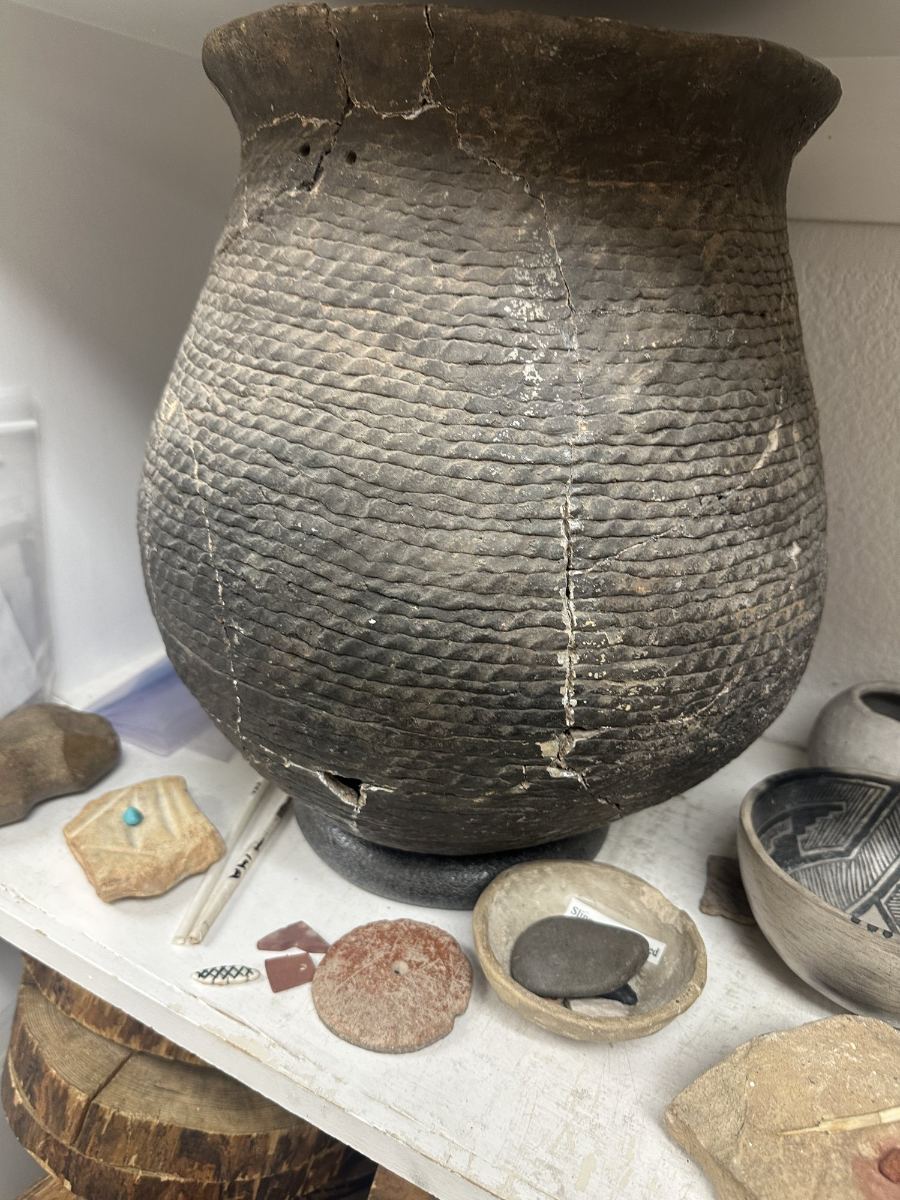
Ancestral Puebloan pottery on display at Crow Canyon
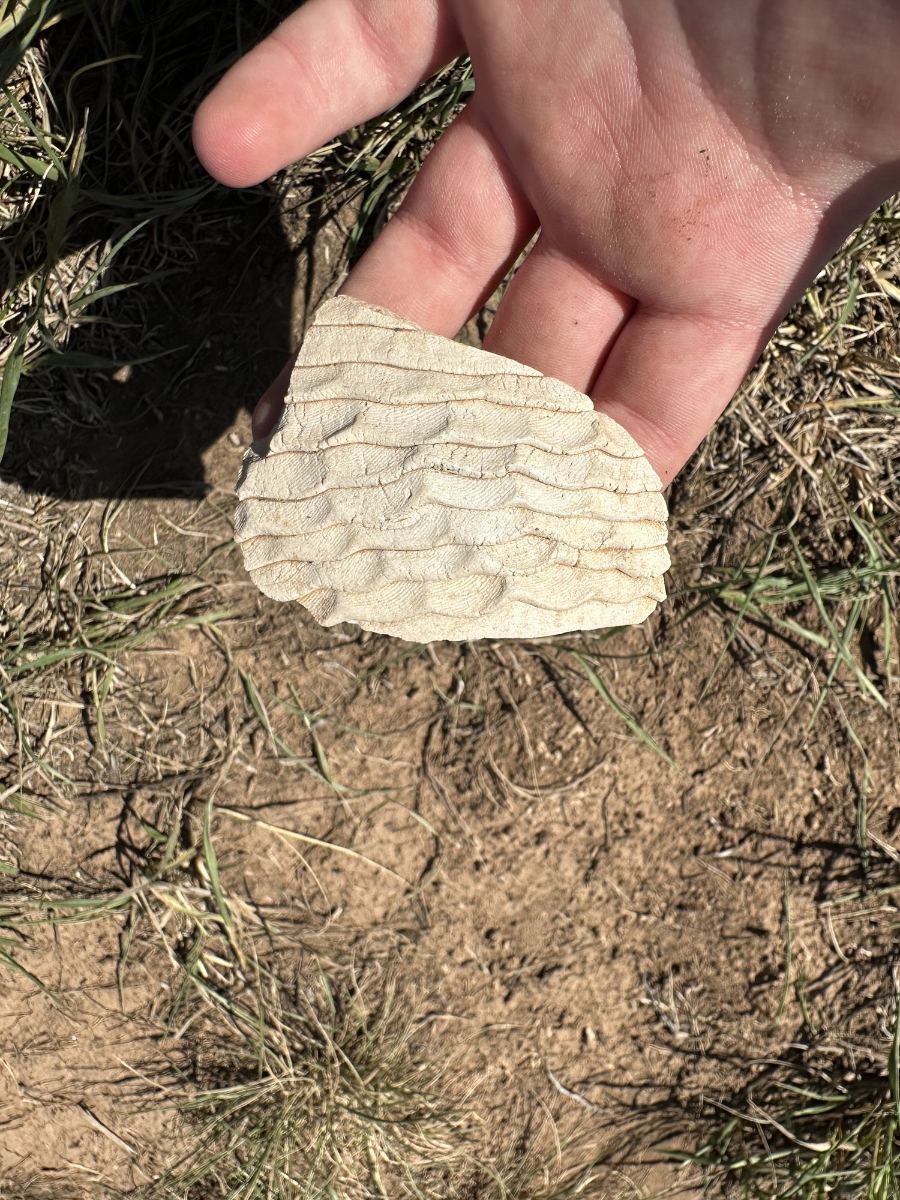
A corrugated sherd found on the surface
A corrugated Ancestral Puebloan jar
Pueblo Revolt paper →National History Day website →
The Berry Site →North Carolina

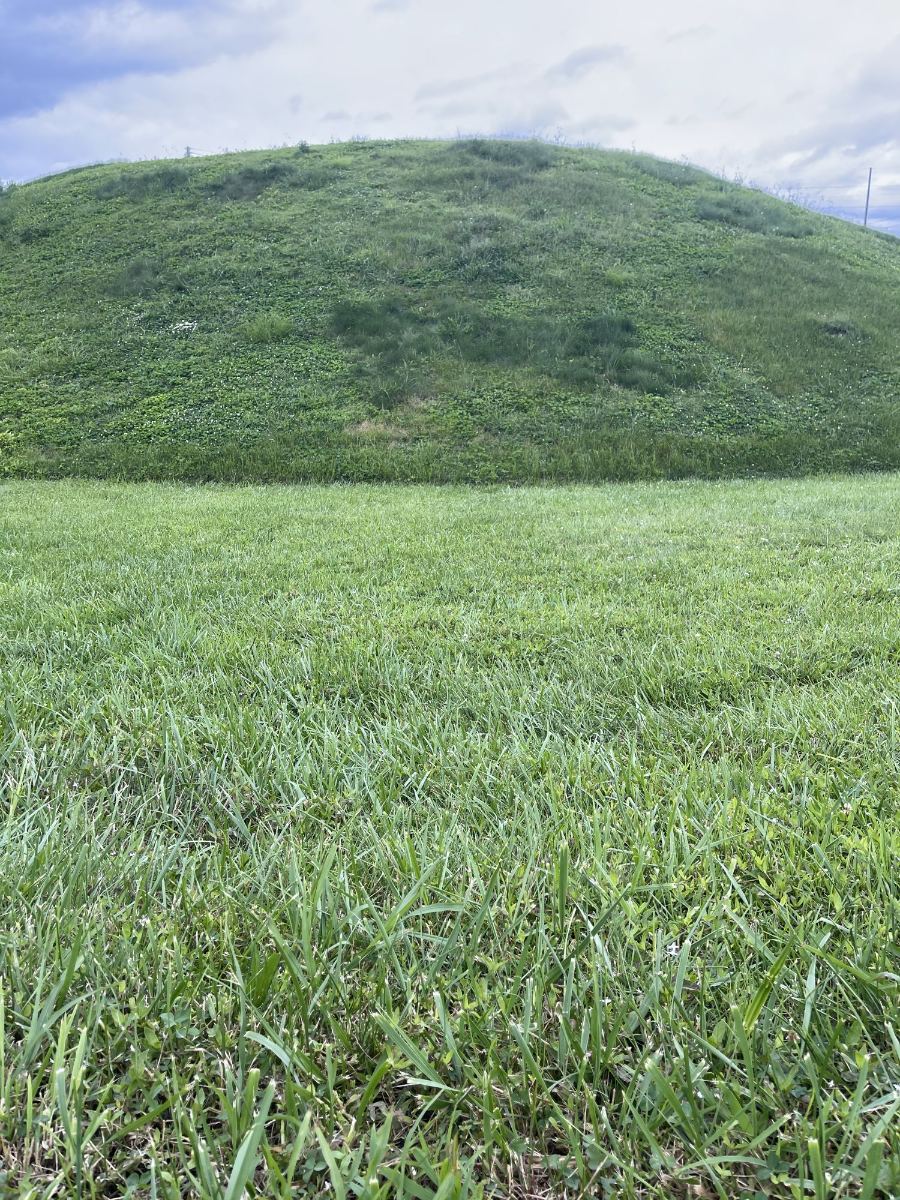
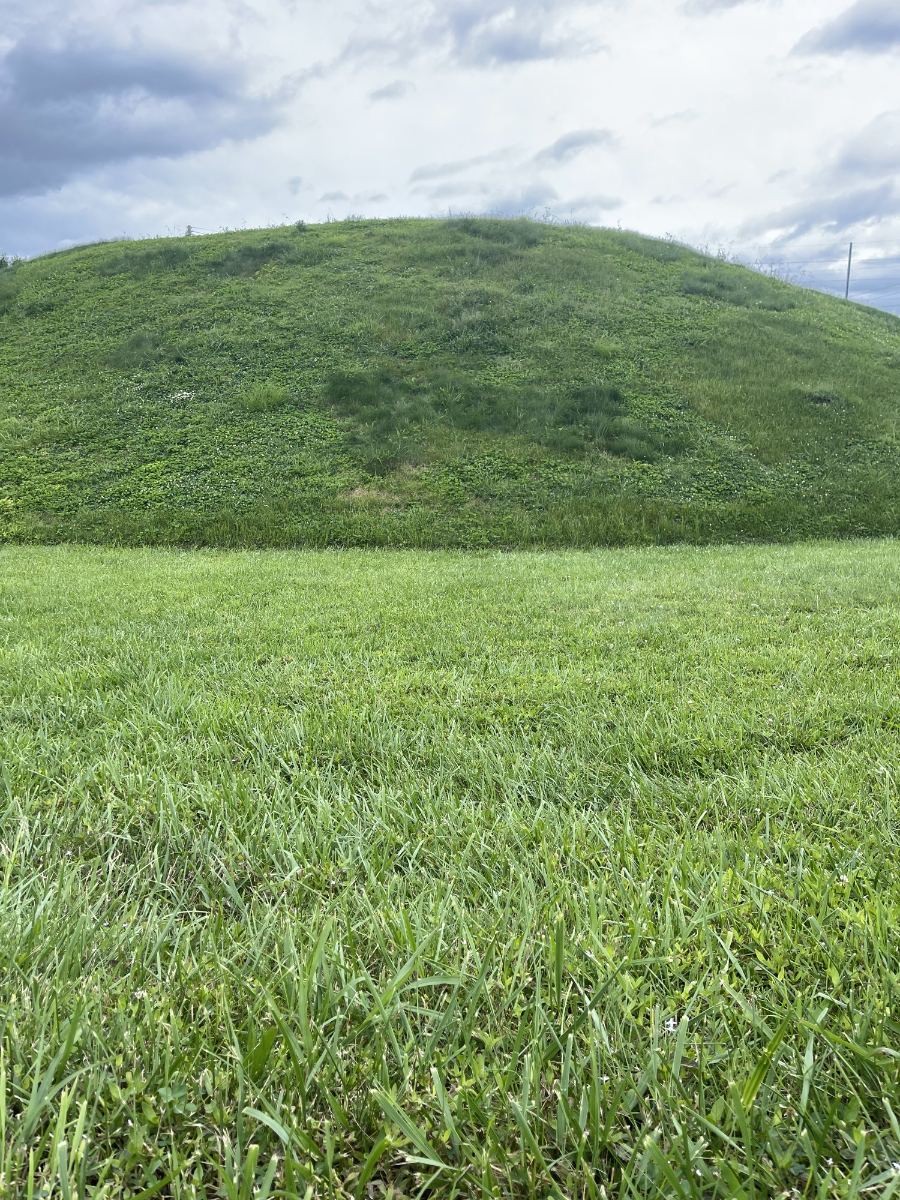
At the Berry Site near Morganton, North Carolina, I got my first taste of archaeology. The site contains the first recorded inland town set up by the Spanish upon arriving in the Americas. During my stay, I was introduced to the core principles of the field, such as the critical difference between looting and ethical archaeological work. In the photographs below, you can see the earthen mounds and traces of the Native Americans who lived there before the Spanish invasion.

The earthen mound at the Berry Site
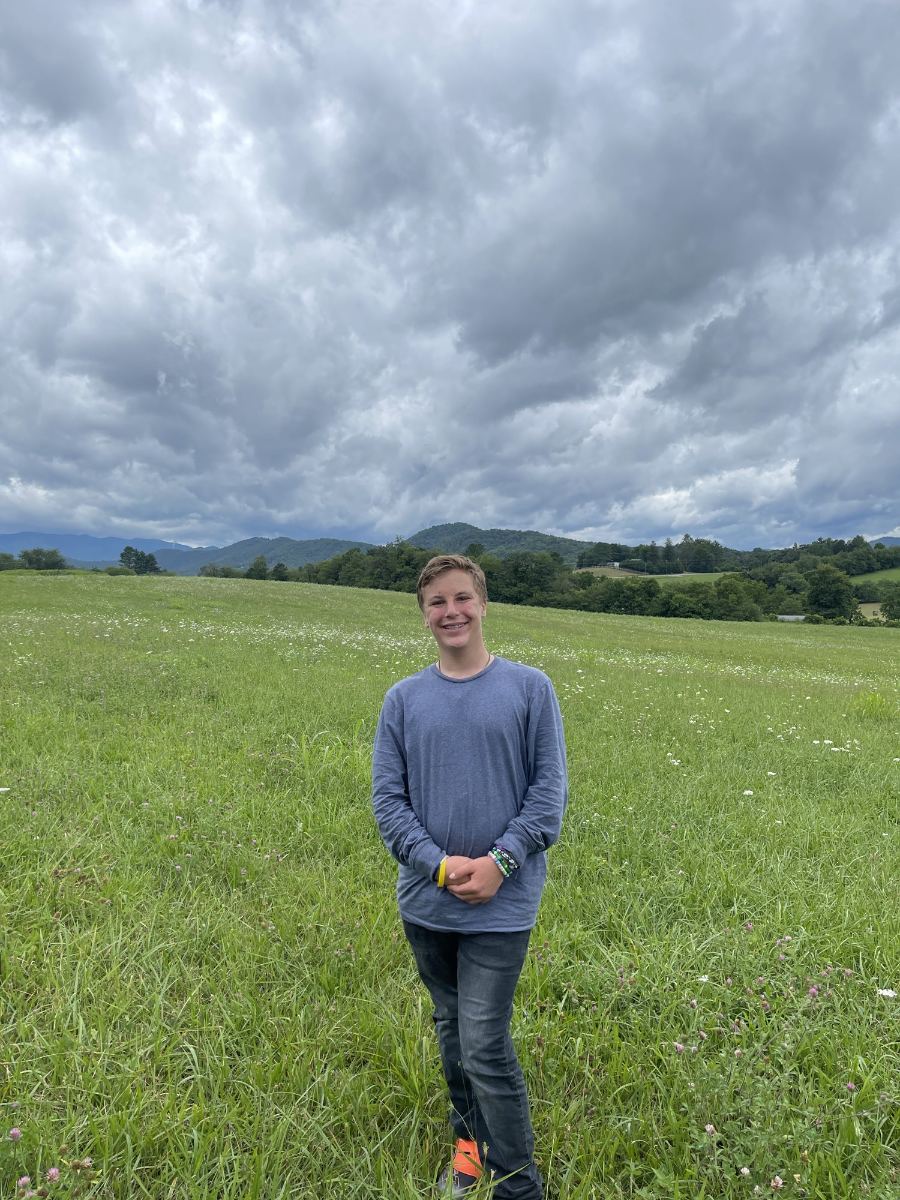
At the Berry Site, North Carolina
The grass-covered slope of the mound
Mesolithic shell middens of Muge →Muge, Portugal

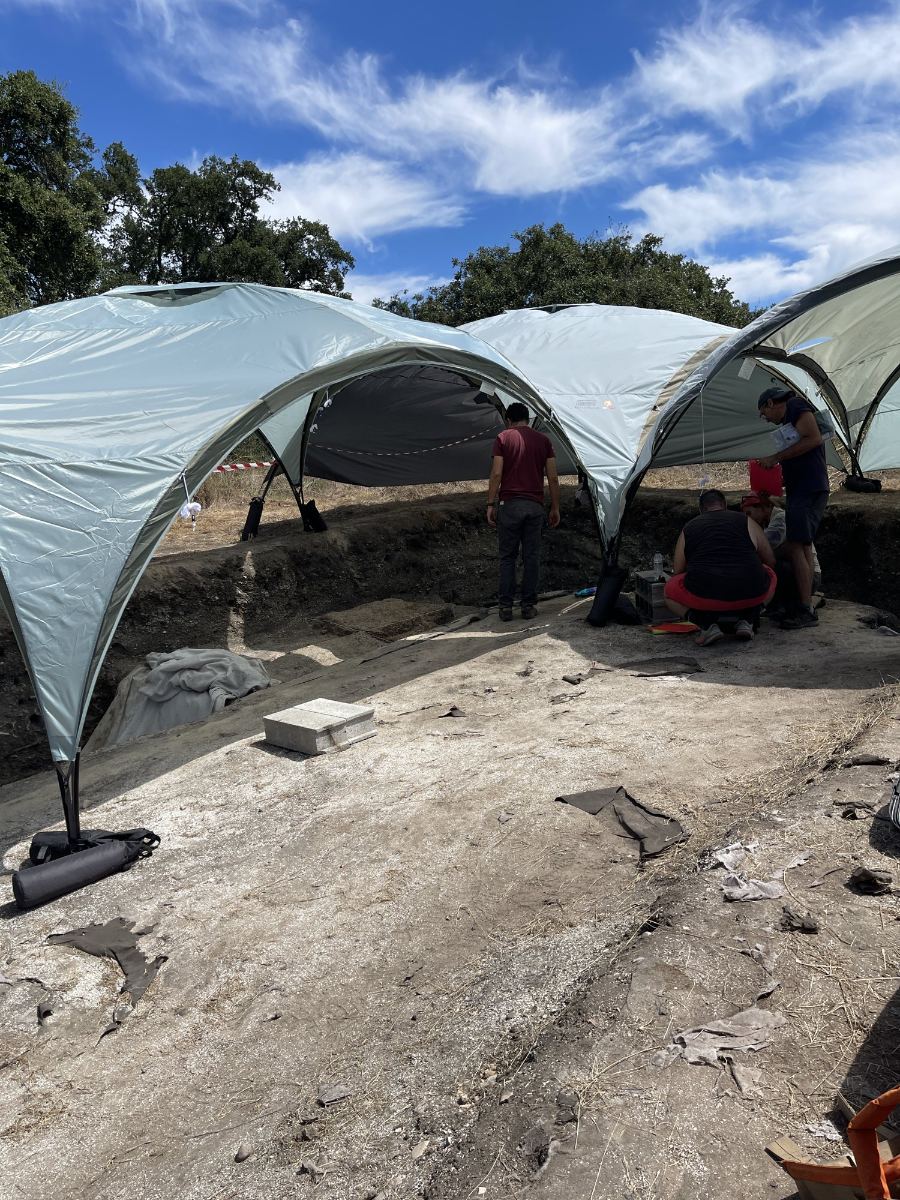
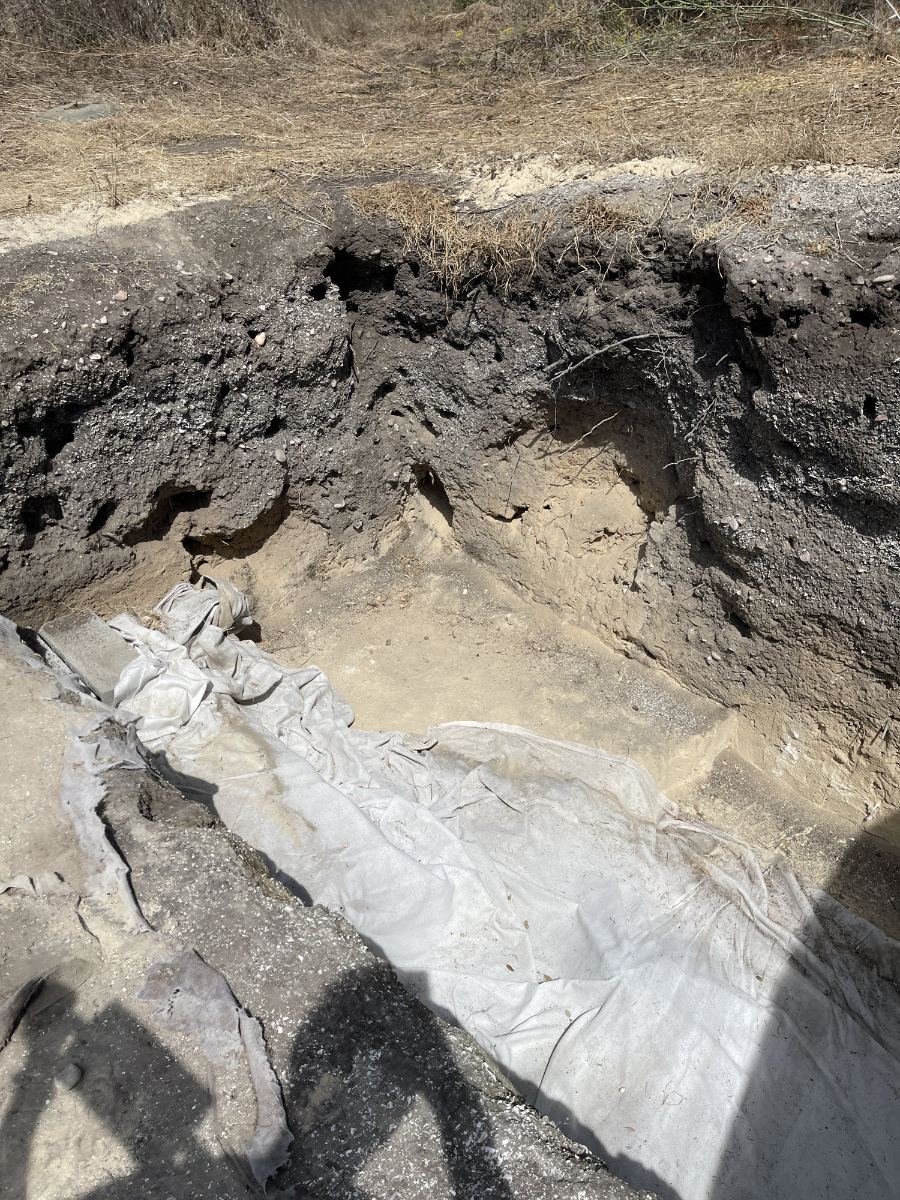
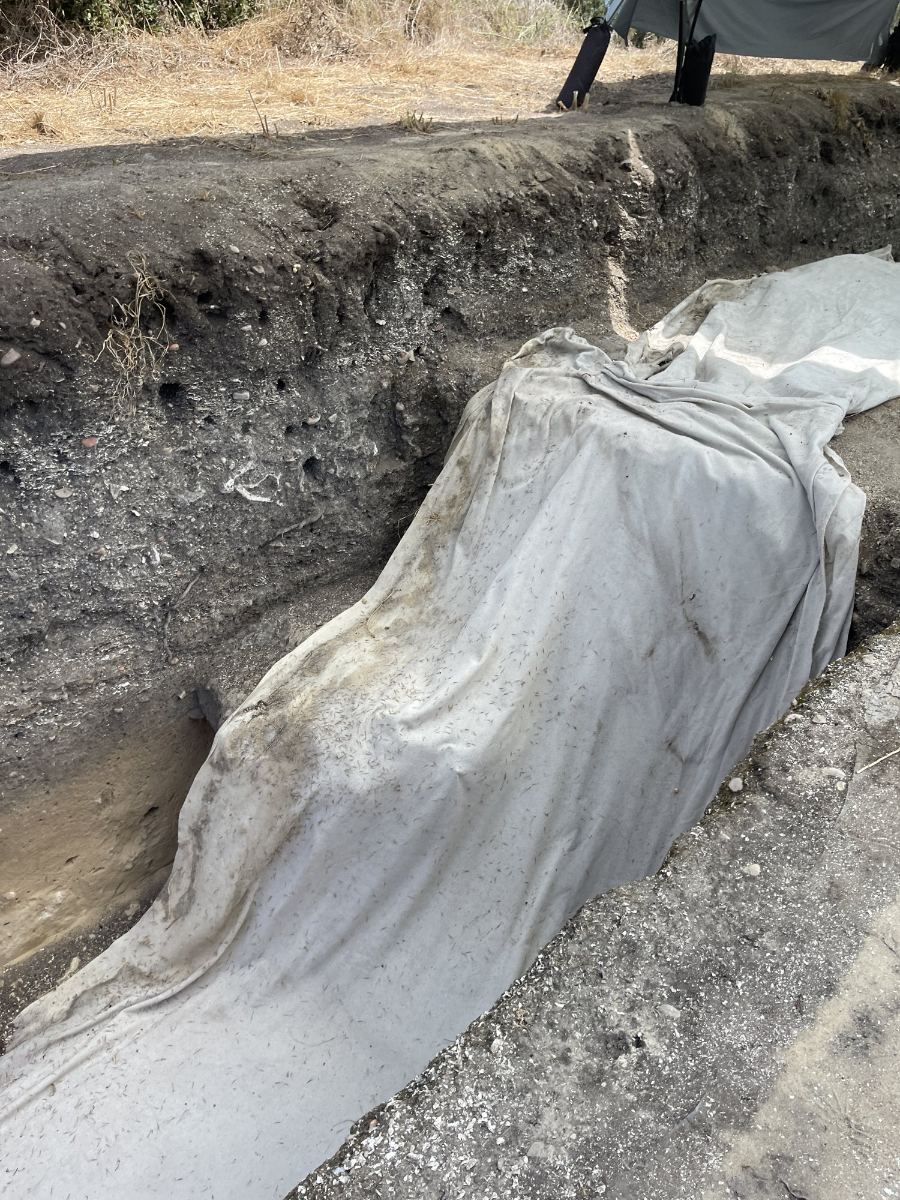
In Muge, on the outskirts of Lisbon, lie the Mesolithic shell middens left by some of the last remaining hunter-gatherers in Europe. Working alongside a team of archaeologists, I excavated the site to learn about the diet of its ancient inhabitants, which consisted heavily of mollusks, game, and fish.

Excavation under shade tents at Muge
Trench section through the shell midden
Trench wall lined with protective sheeting
Away from the desk

Things I've built

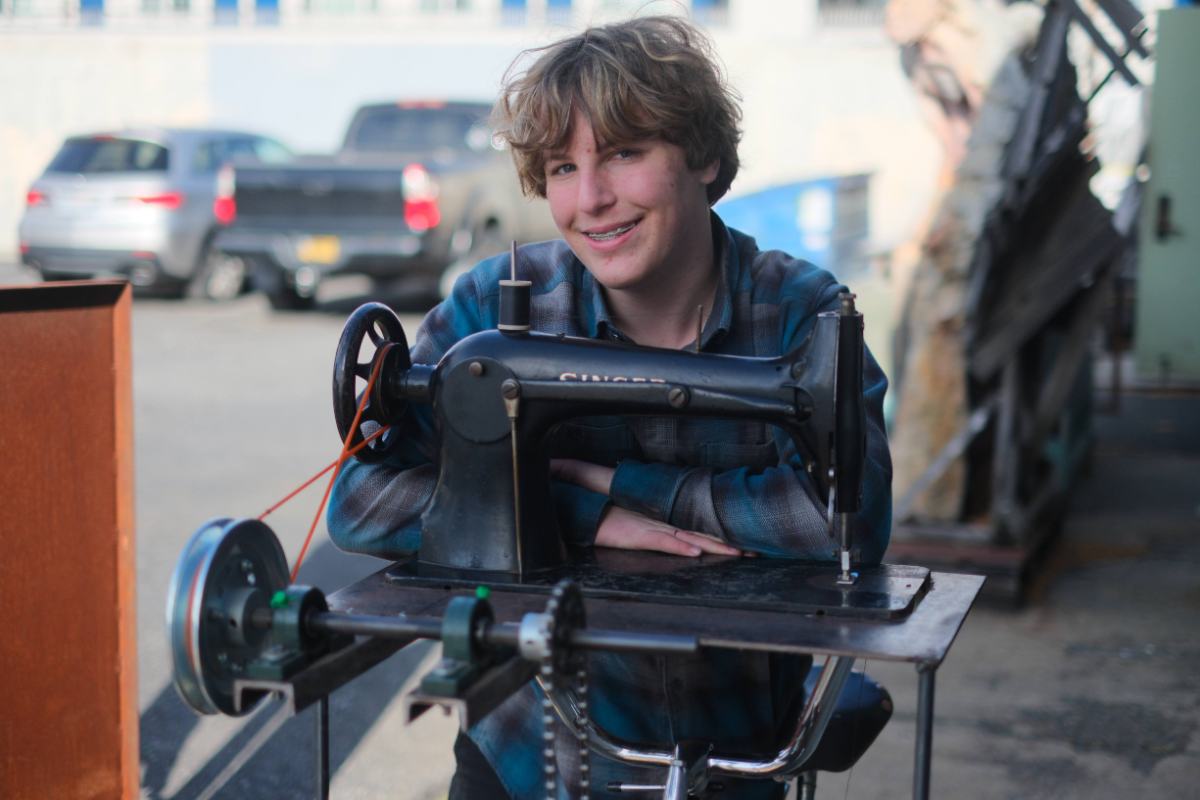
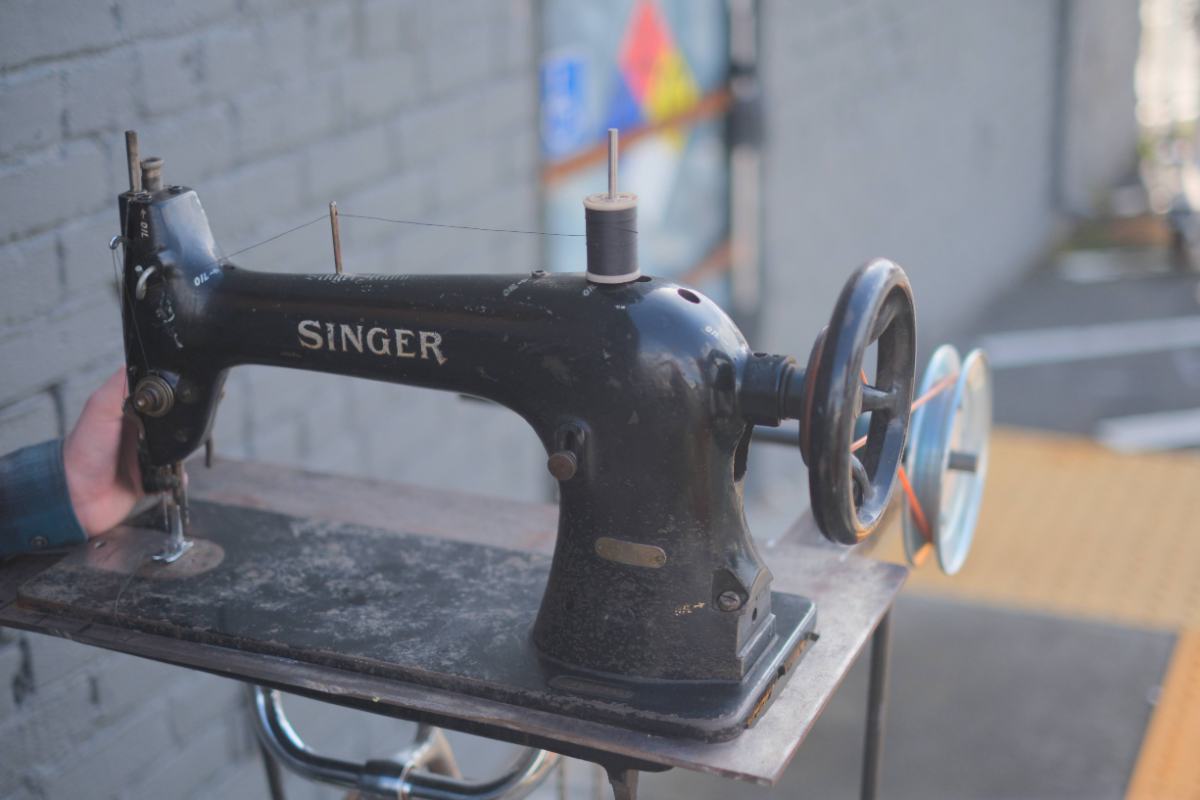
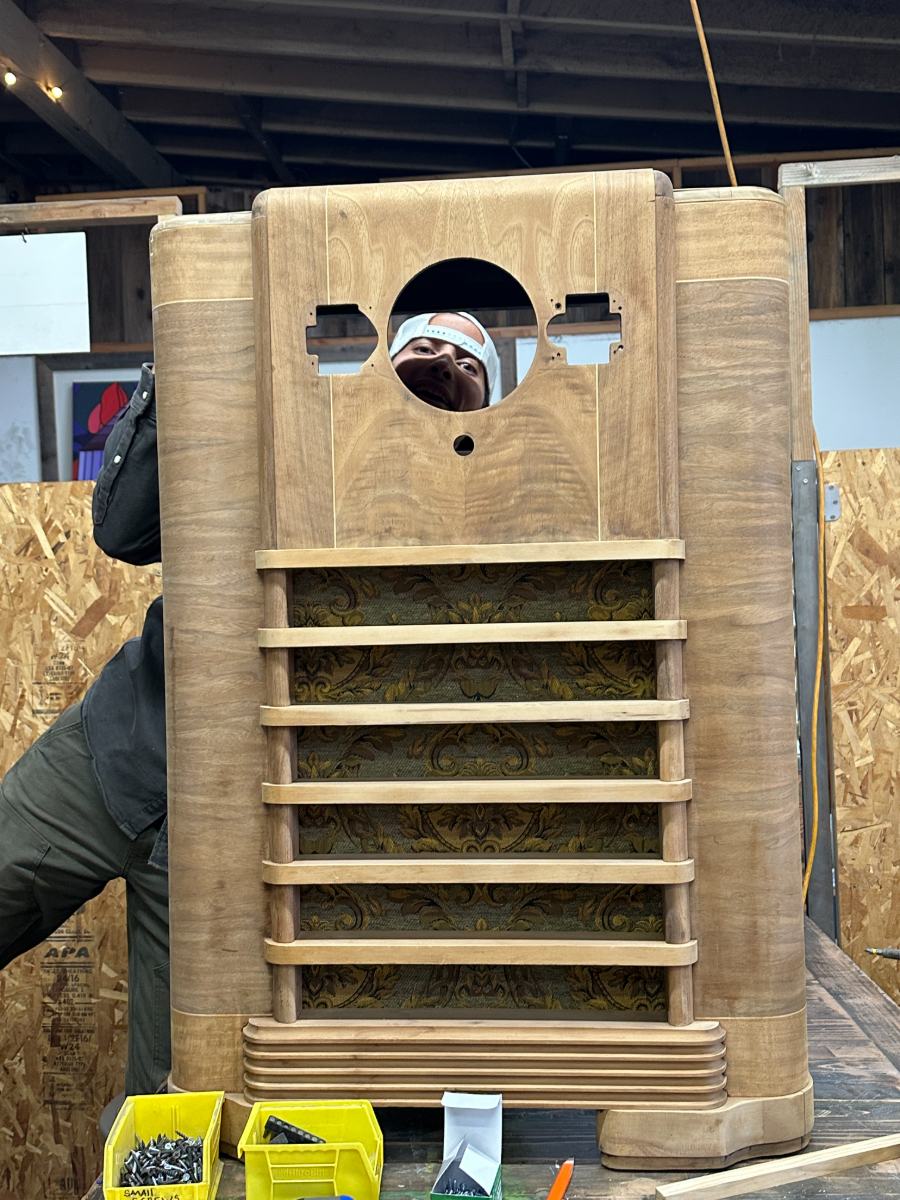
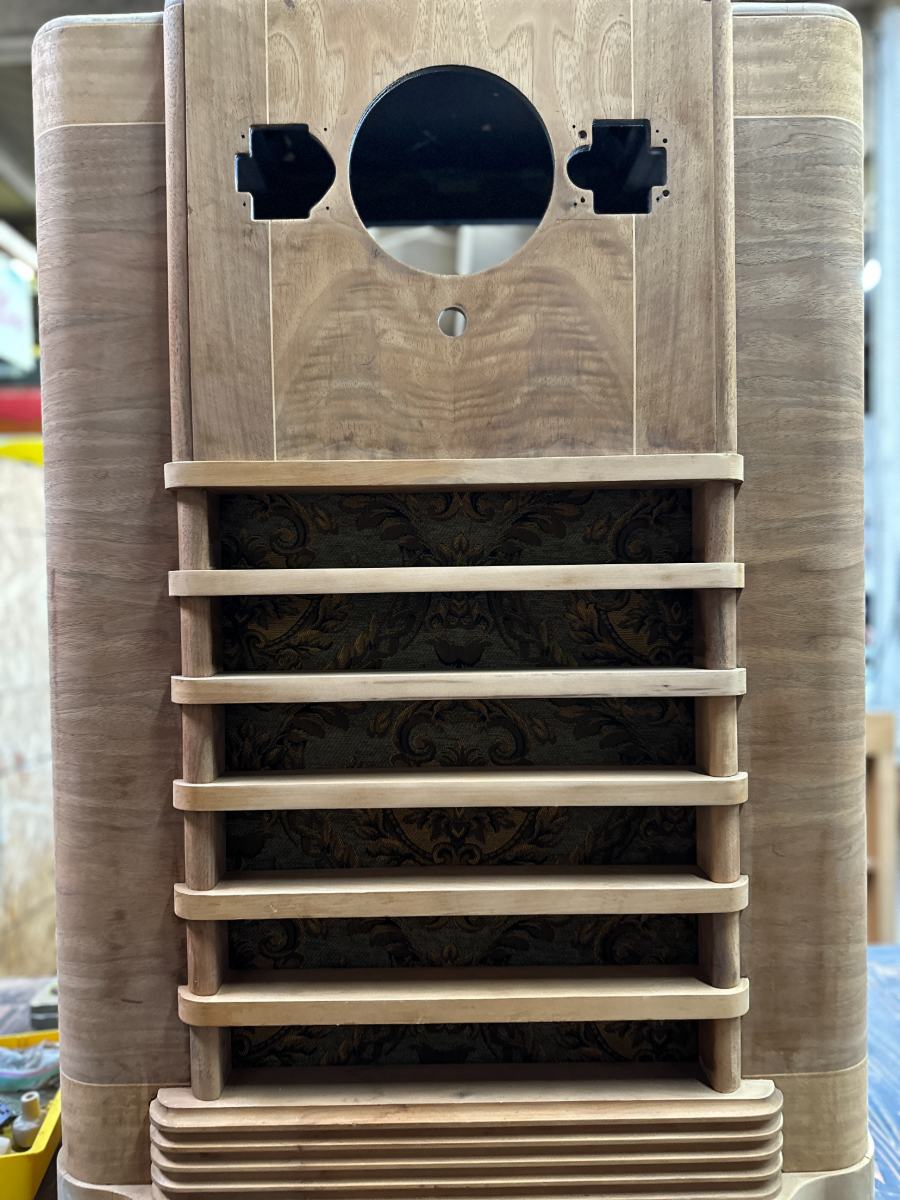
A Singer sewing machine welded onto a Schwinn frame, so pedaling drives the needle through a chain of shafts and pulleys. And an Art Deco jukebox in walnut and maple, with steam-bent slats over upholstered grille cloth, every joint cut by hand.

It's the same instinct as the digging, aimed at objects: take something obsolete apart, work out how it ran, put it back together so it runs again.

The sewing bike took an Honorable Mention in the 2026 Scholastic Art Competition.
Sewing bike photos →Jukebox photos →Certificate → Recognition letter →
The sewing bike drivetrain The Singer sewing machine head Jukebox cabinet front with steam-bent slats Jukebox cabinet in the shop

Recognition

2026
National Finalist, Diller Teen Tikkun Olam Award
2026
First place, Elie Wiesel National Holocaust Commission Contest
2026
State Finalist, California National History Day, Individual Website
2026
Champion, Santa Clara County National History Day, Individual Website
2026
Topical winner, American High School Poets, Winter 2026 anthology
2026
Honorable Mention, Scholastic Art Competition, Sculpture
2026
Published, Journal of Emerging Investigators
2025
First place, National Weinberger Competition
2025
Runner-up, Santa Clara County National History Day, Individual Documentary

Where I've studied

Stanford Humanities Institute Colonial Extractions of African Cultural Treasures, summer 2026 View certificate →
Michigan State University → GIS certificate, all four courses, 420 hours View certificate →
University of Pennsylvania Certificate in Social Entrepreneurship, Social Innovators Program I, twelve weeks, 2024 View certificate →
Foothill College → Introduction to Archaeology, grade A Transcript →
Vanderbilt University, VSA Archaeometry, grade A+
Hillbrook School Class of 2027. Founded the History Club and the Jewish Affinity Space.

If any of this is your thing too, write to me.

I'm always glad to hear from people working on cemetery documentation, Holocaust records, or a dig that needs another pair of hands.