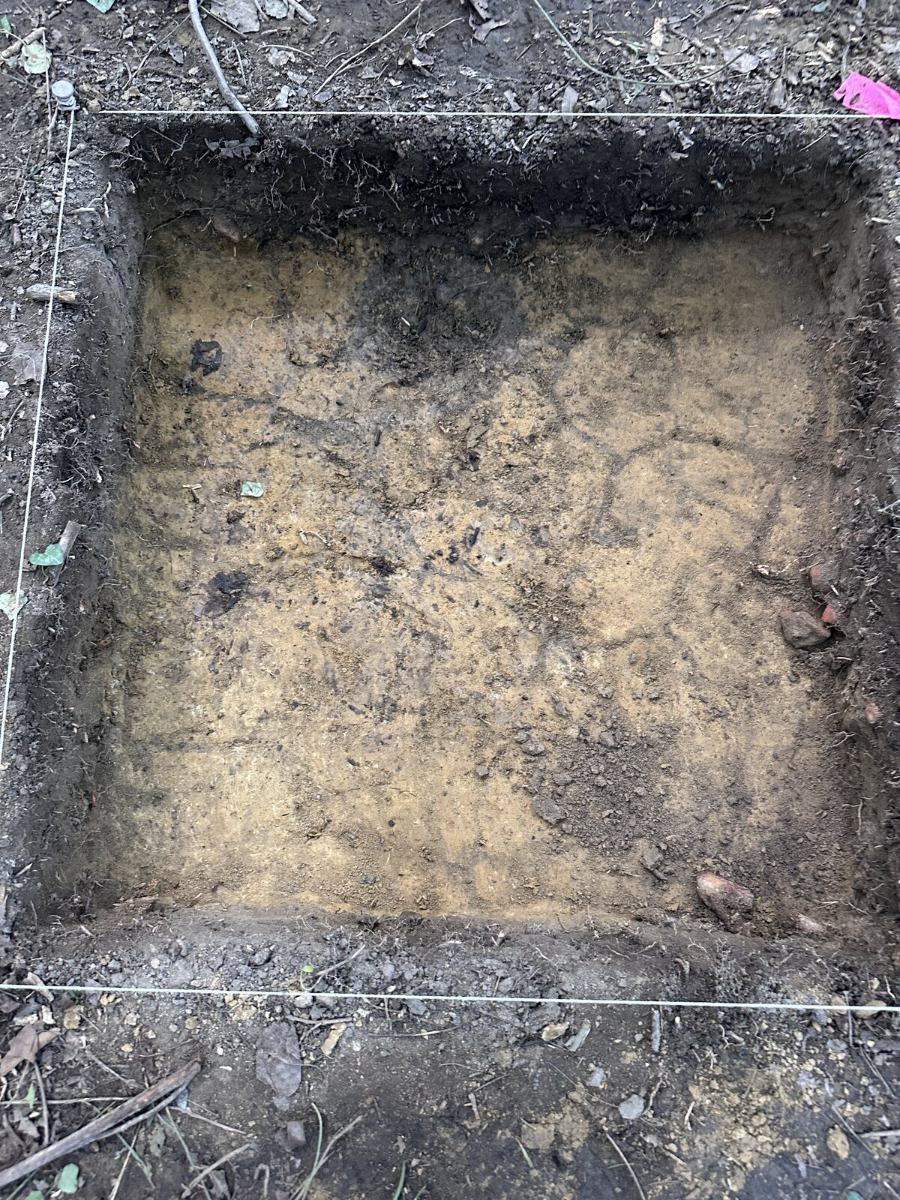
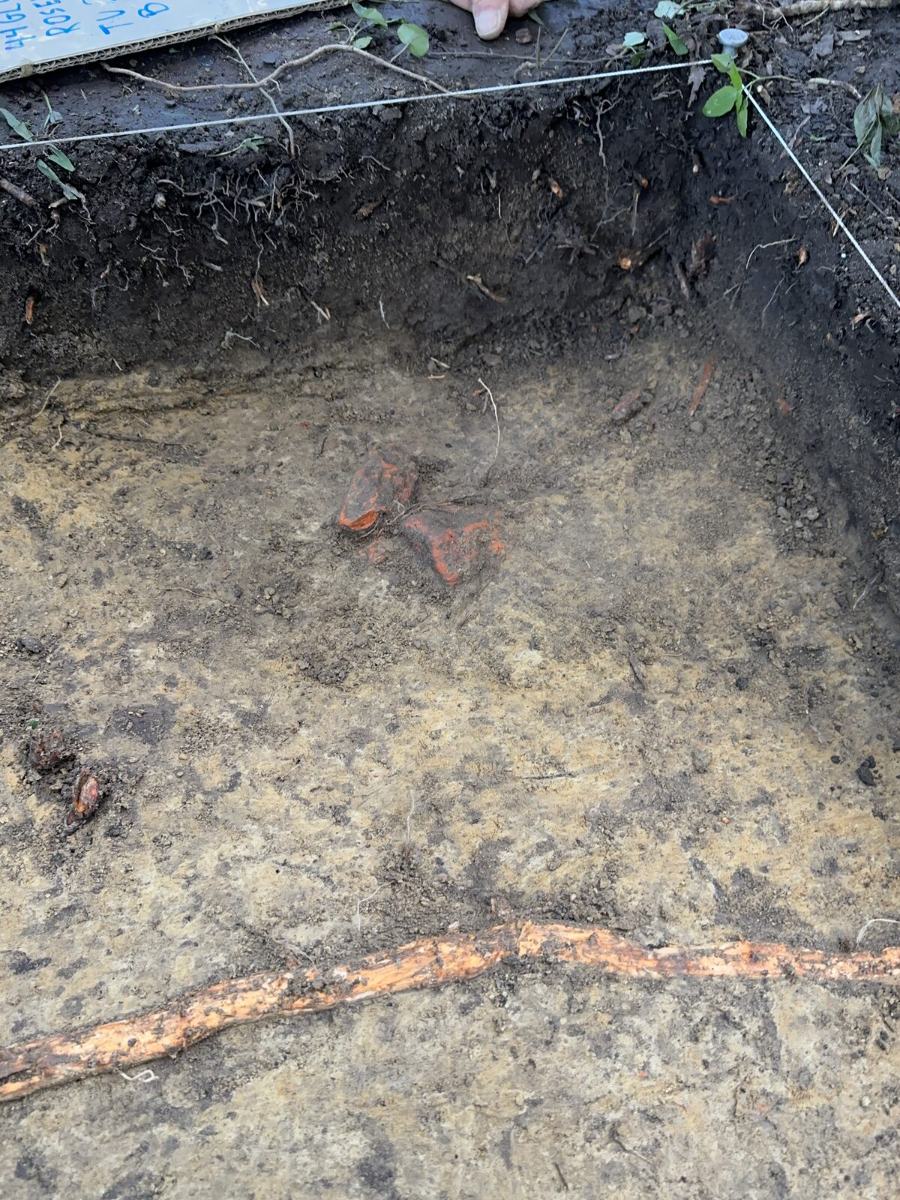
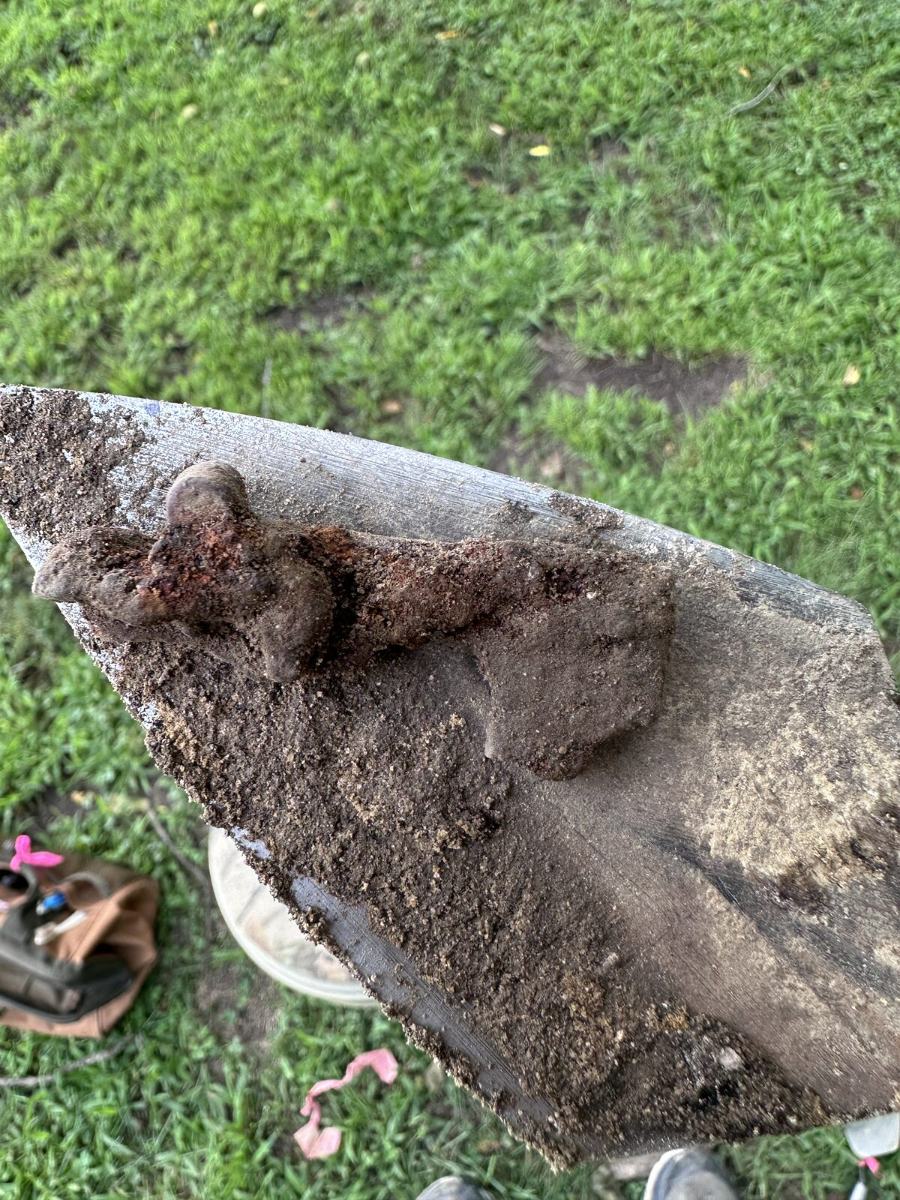
I'm seventeen, in eleventh grade at Hillbrook School in Los Gatos, and I spend most of my time digging — in the ground, and in archives.
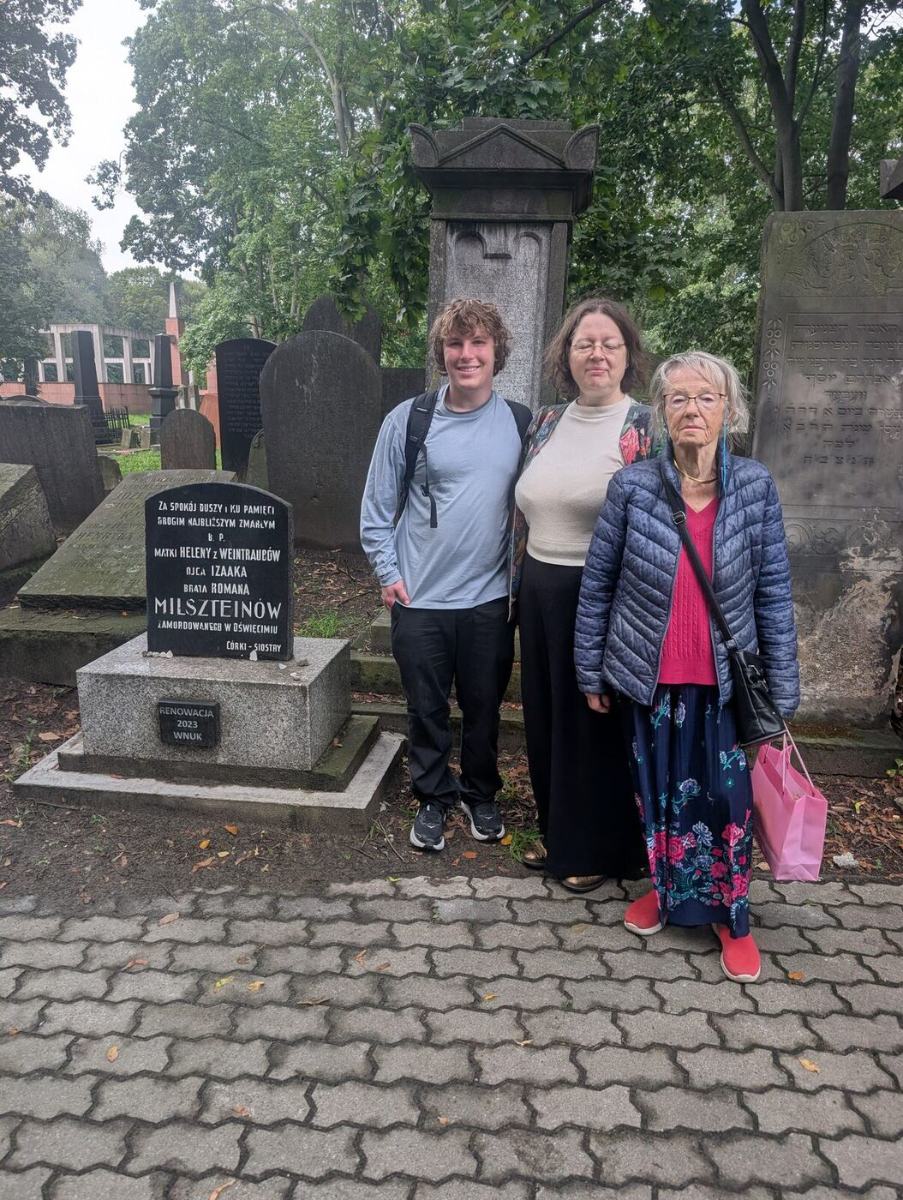
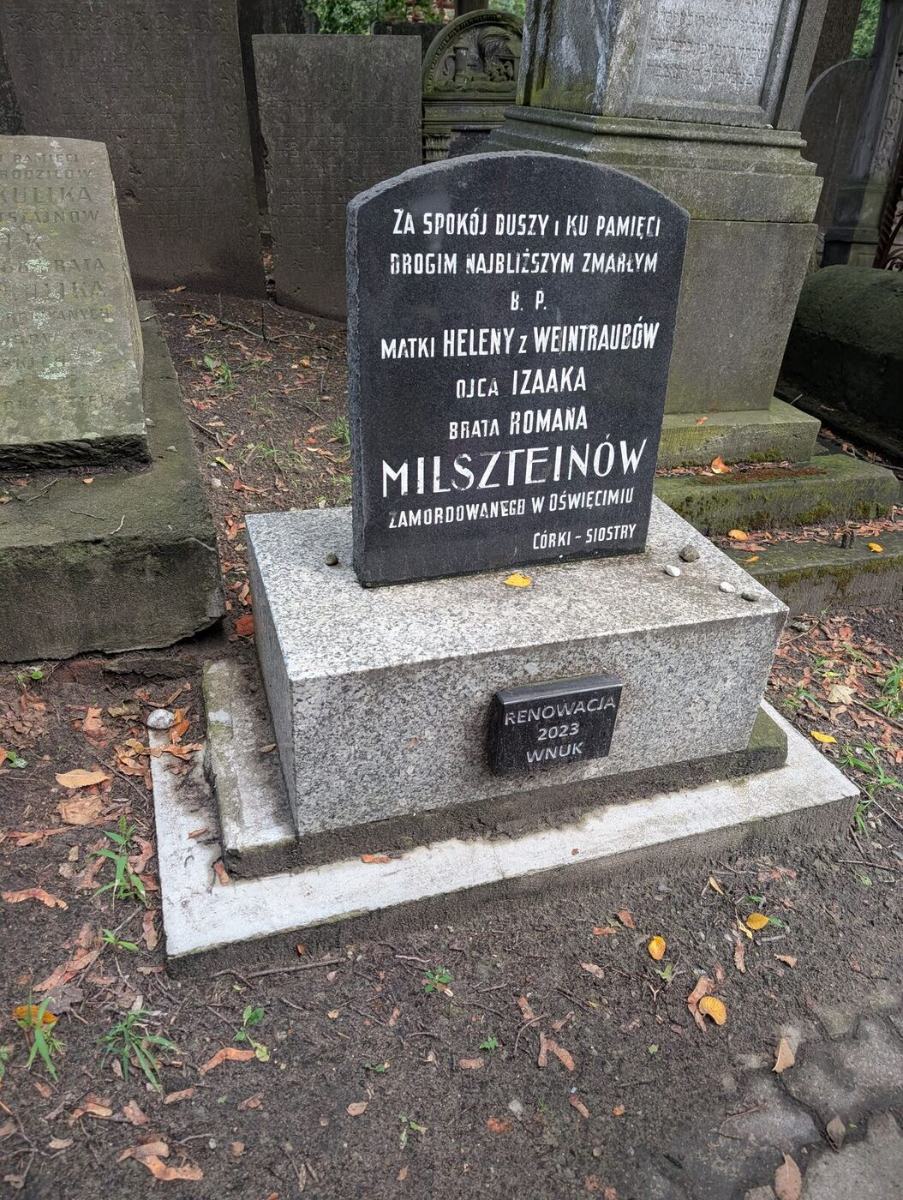
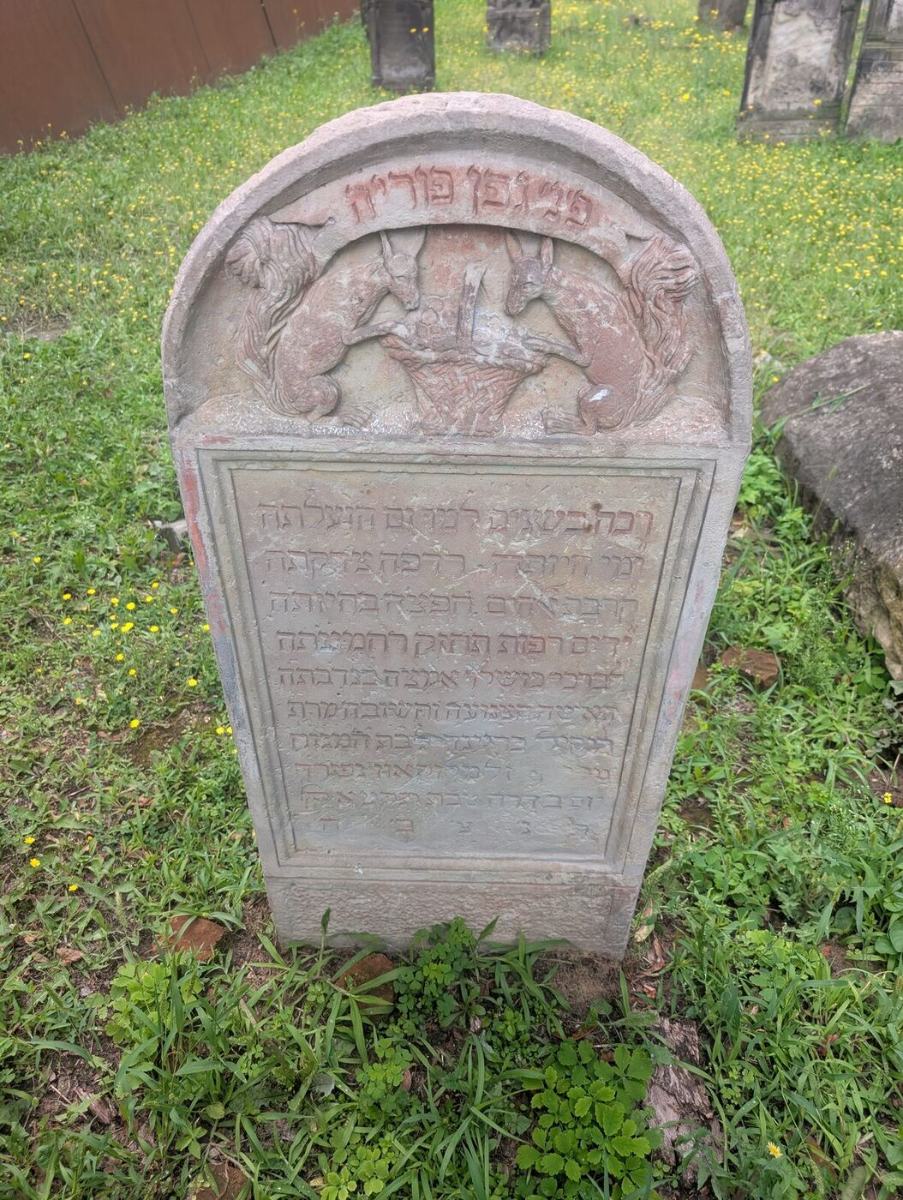
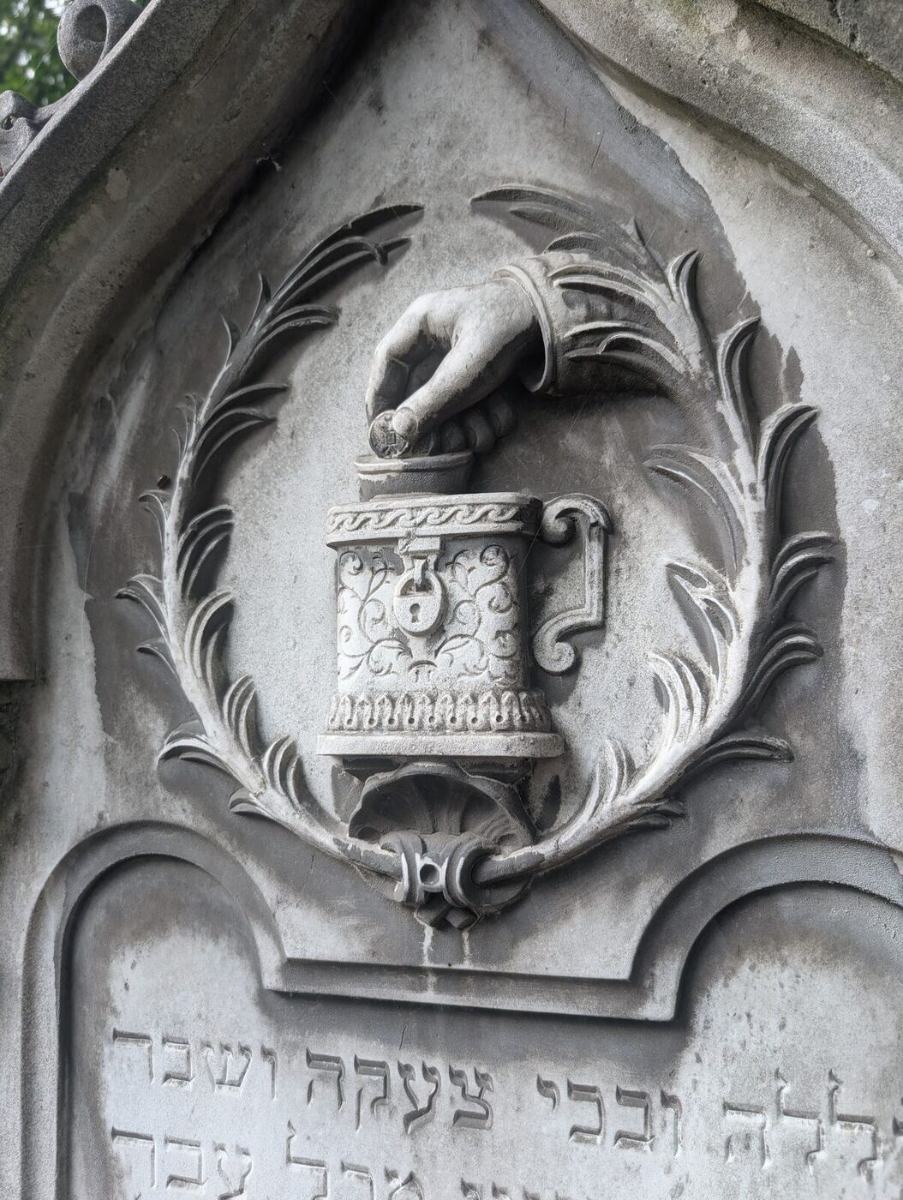
That's meant a fourth-century Roman fortress in Spain, plantation sites in Virginia, and Jewish cemeteries in Poland and Lithuania, where I cleaned headstones by hand until the inscriptions came back out from under the moss.
The thread is the same everywhere. Somebody's name was written down once, and then the record of it fell apart. I like putting it back.
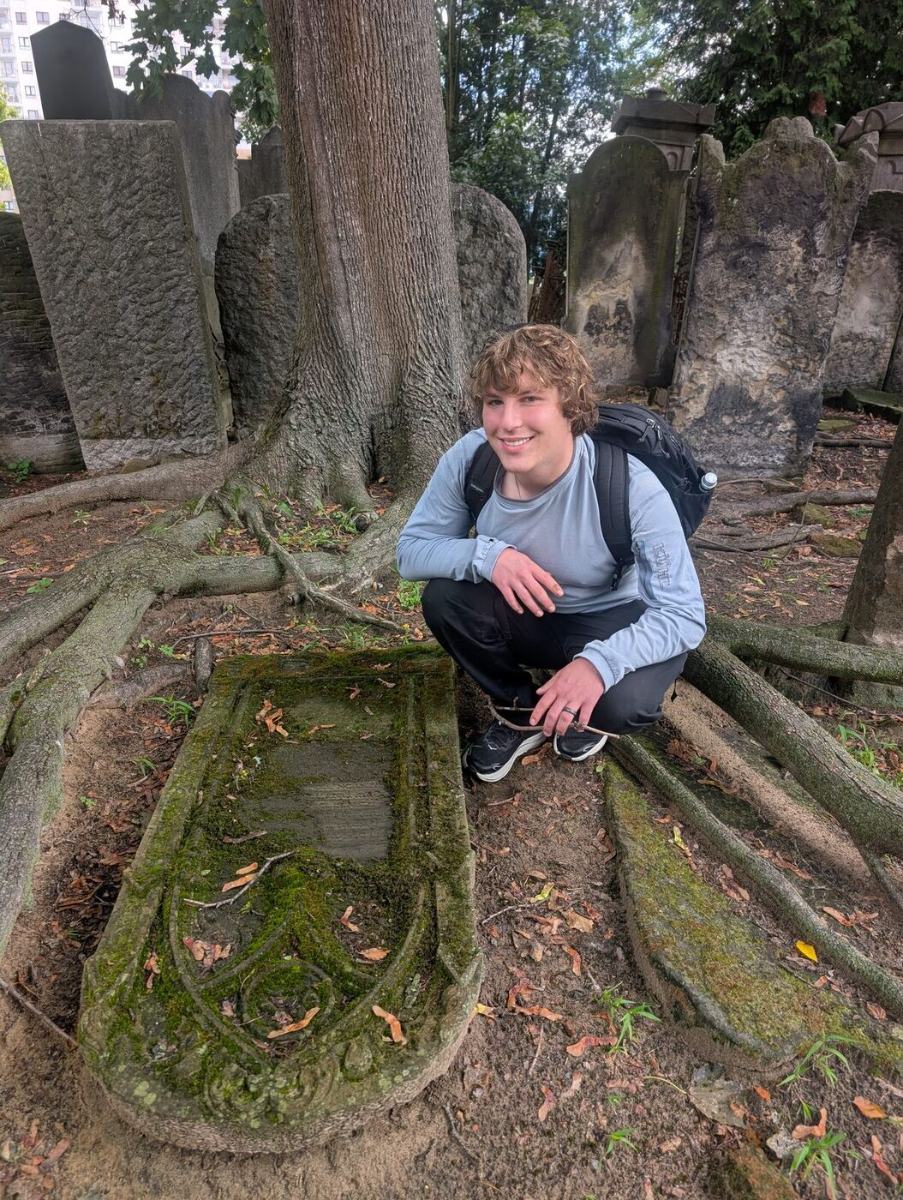
I've added 257,000 graves to FindAGrave. I source archival grave inventories, write software to transcribe the spreadsheets out of several European languages, post the headstone images and descriptions, and build out family trees for descendants.
People write to me. Some of them have been looking for a relative for forty years. That's the part I didn't expect and can't get over.
Roman, Ancestral Puebloan, colonial, antebellum, Mesolithic, and Jewish heritage sites. Some of it is trowel work. Some of it is a drone, ground-penetrating radar, and a spreadsheet at midnight.
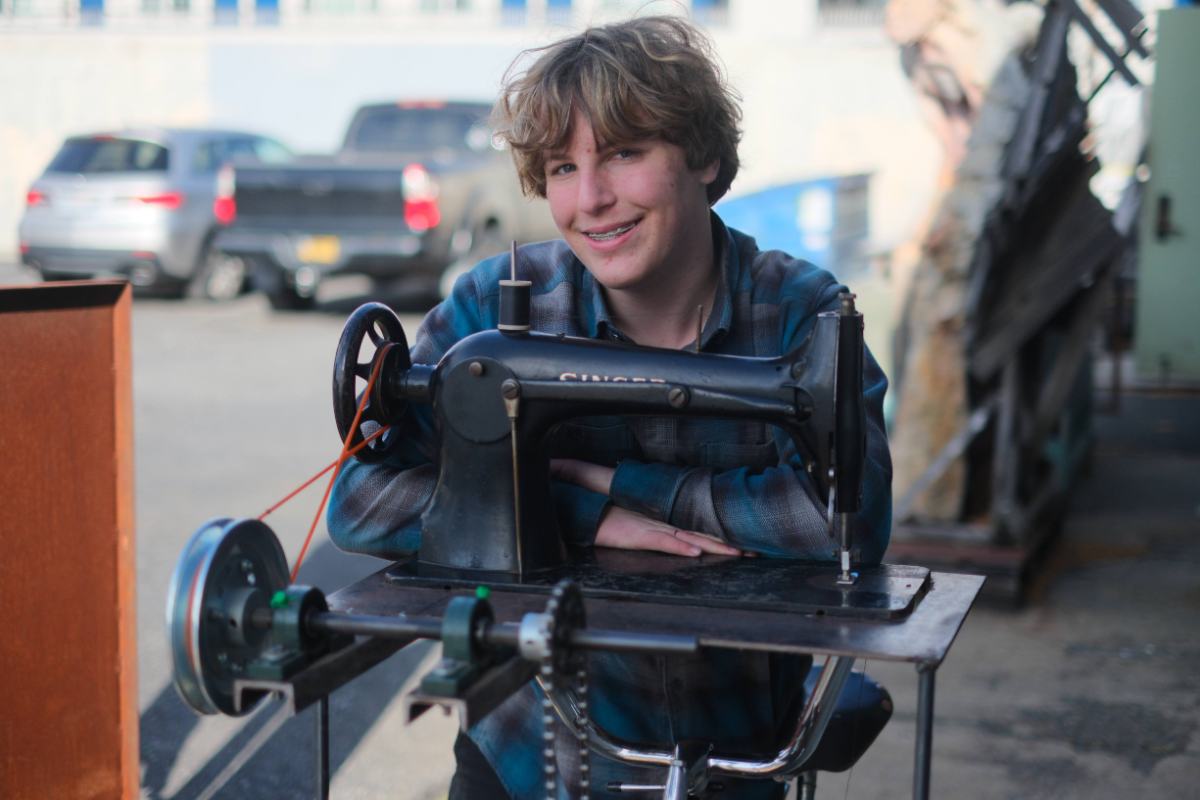
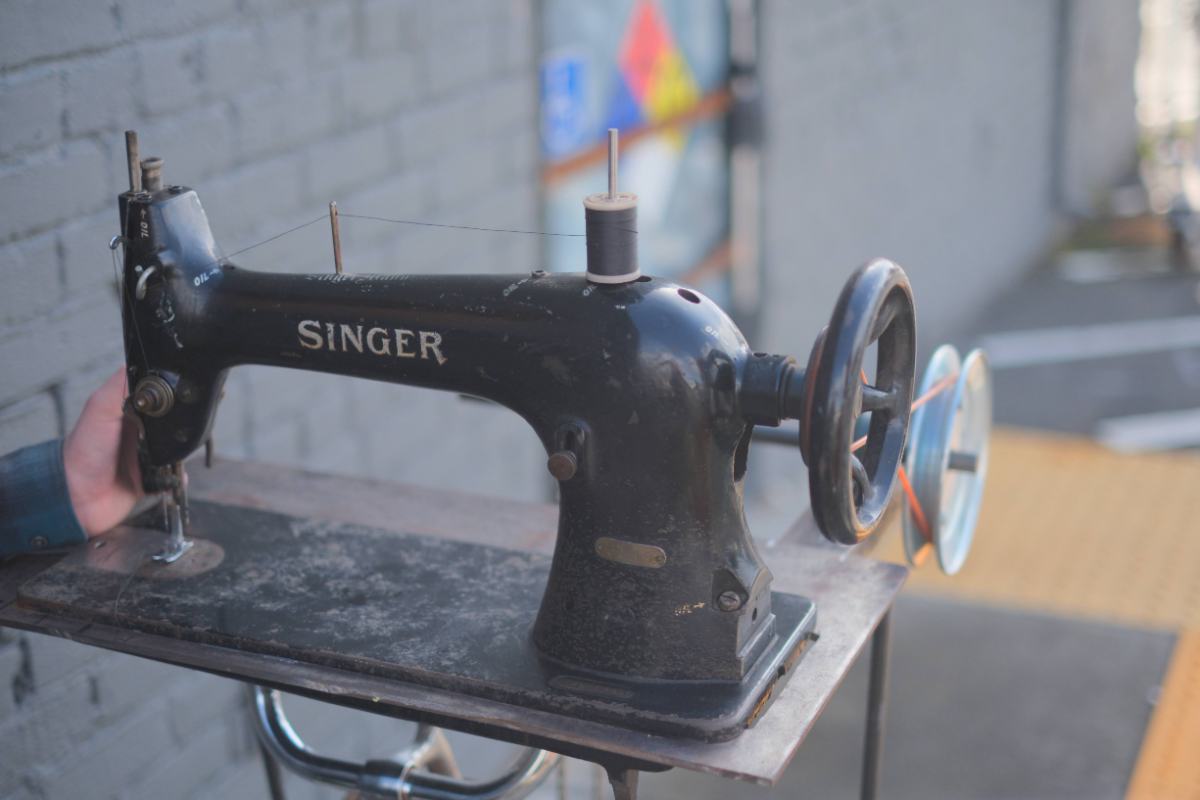
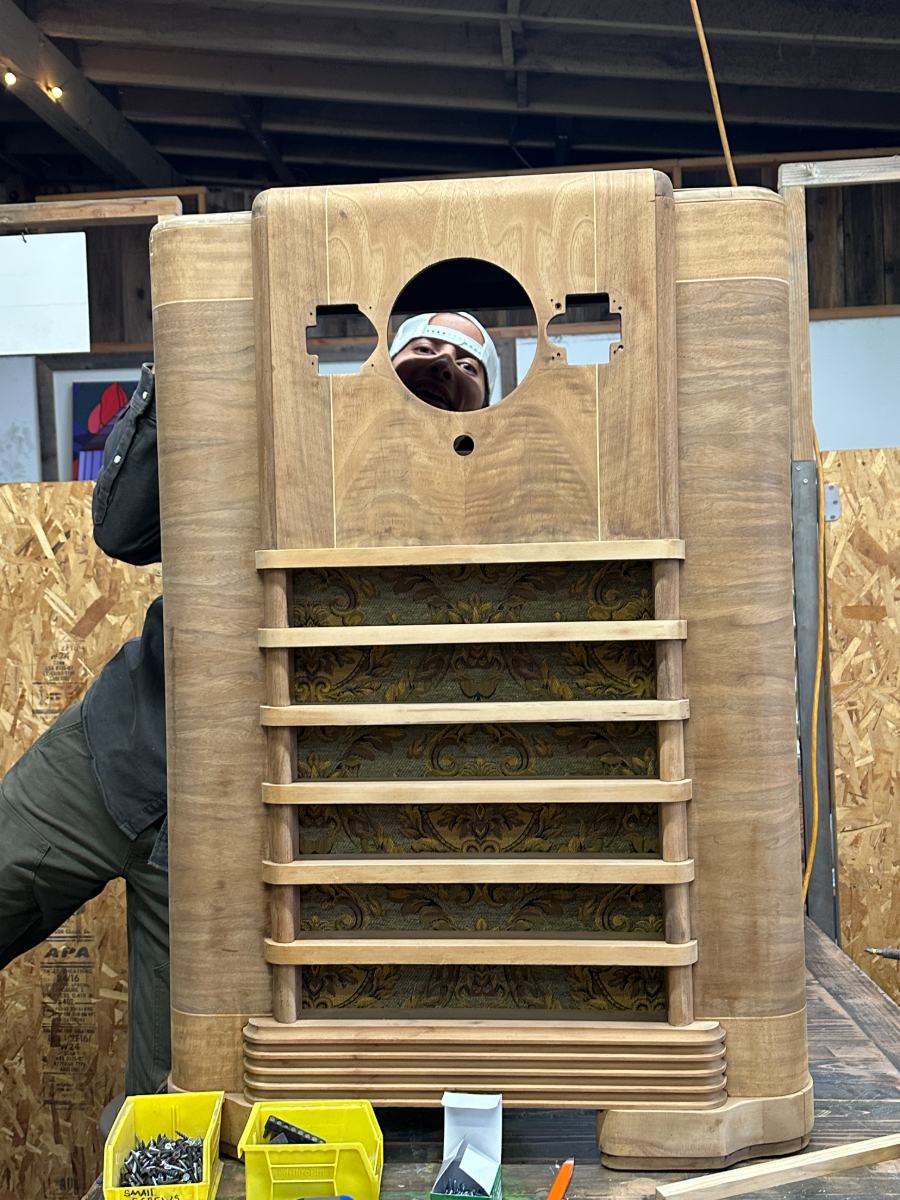
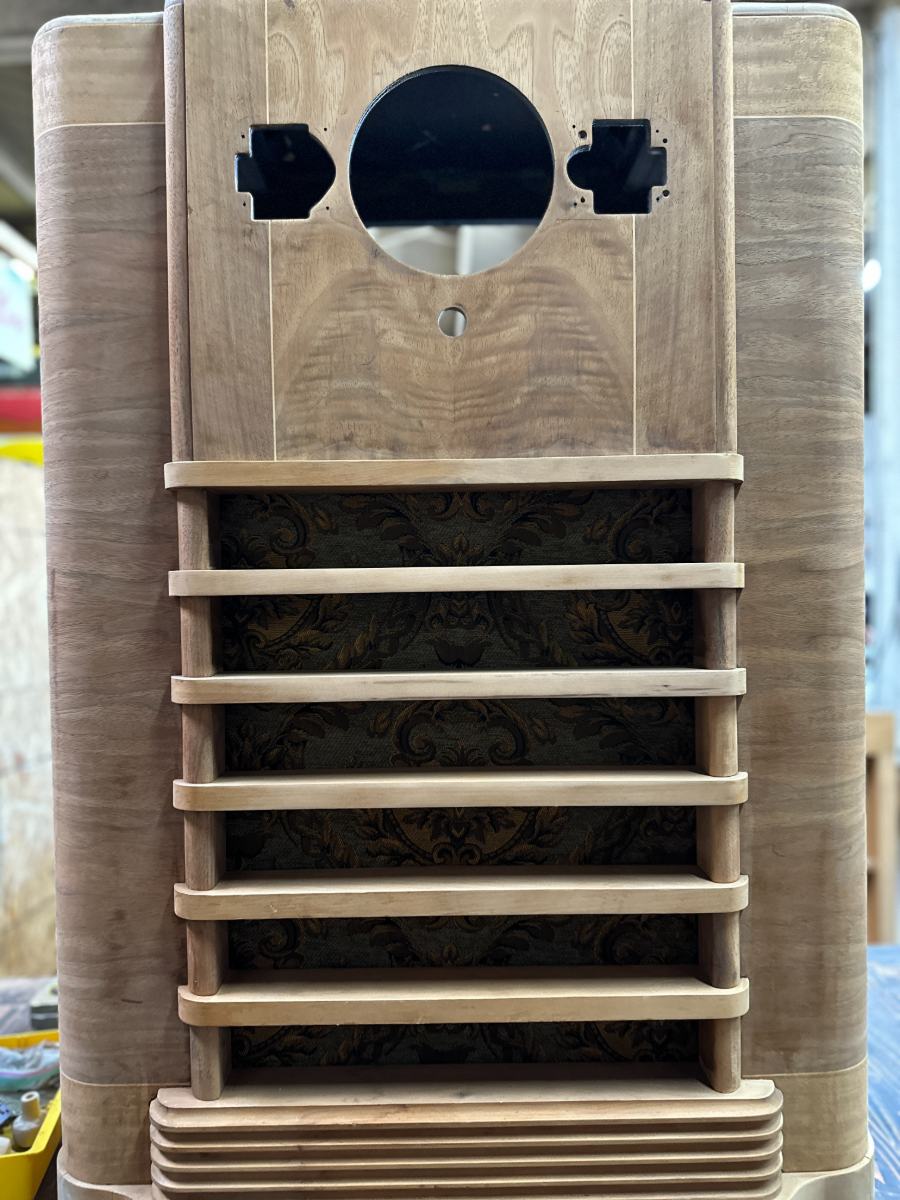
A Singer sewing machine welded onto a Schwinn frame, so pedaling drives the needle through a chain of shafts and pulleys. And an Art Deco jukebox in walnut and maple, with steam-bent slats over upholstered grille cloth, every joint cut by hand.
It's the same instinct as the digging, aimed at objects: take something obsolete apart, work out how it ran, put it back together so it runs again.
I'm always glad to hear from people working on cemetery documentation, Holocaust records, or a dig that needs another pair of hands.